Typefaces
Support
Legal
Learn
Positype
You
Subscribe Now
Aago
Initial Release:2026
Styles:0
Collection Overview
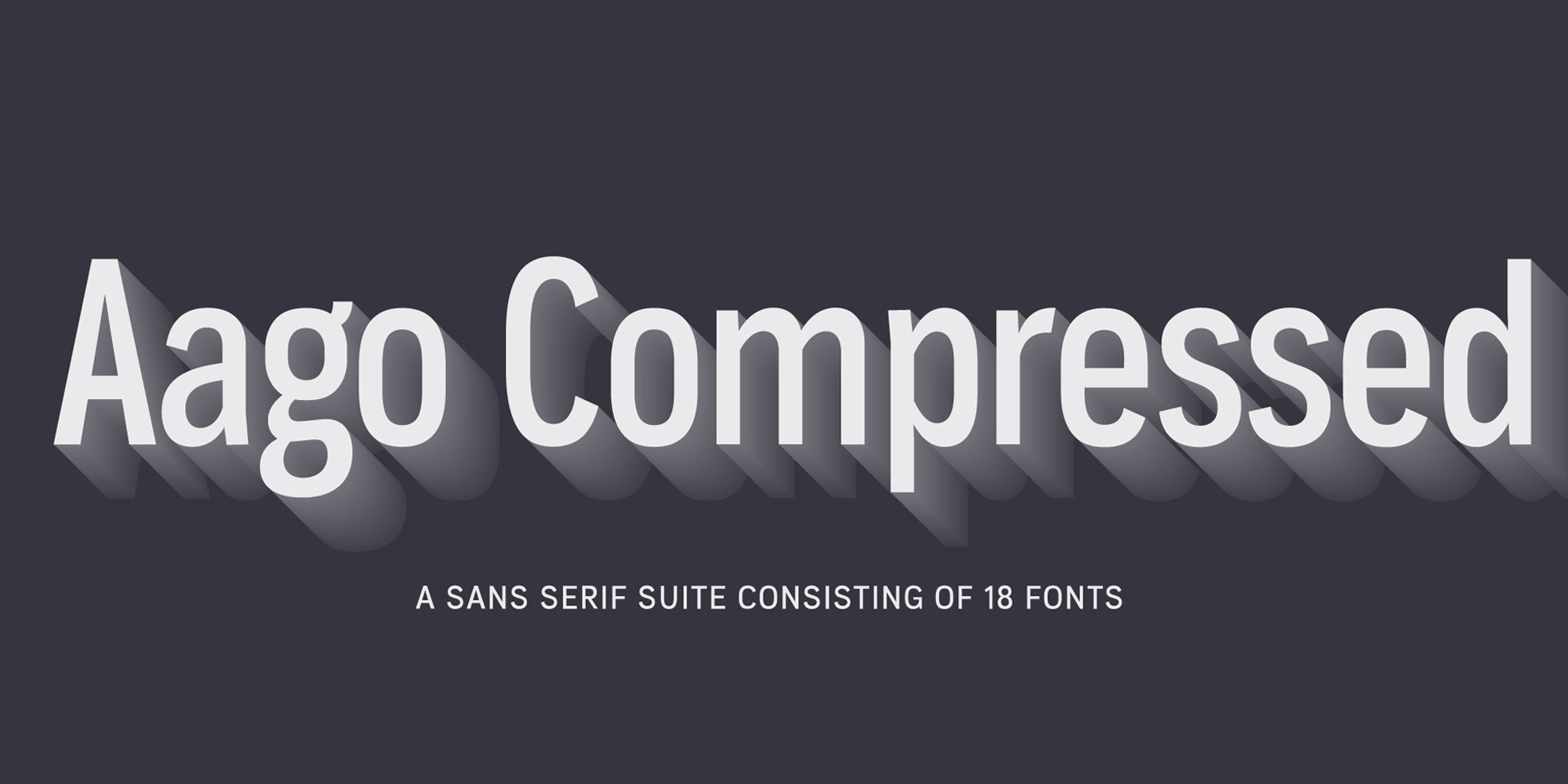
AáAago Compressed
AáAago Condensed
AáAago
Available Writing Systems
Available Styles
No styles available
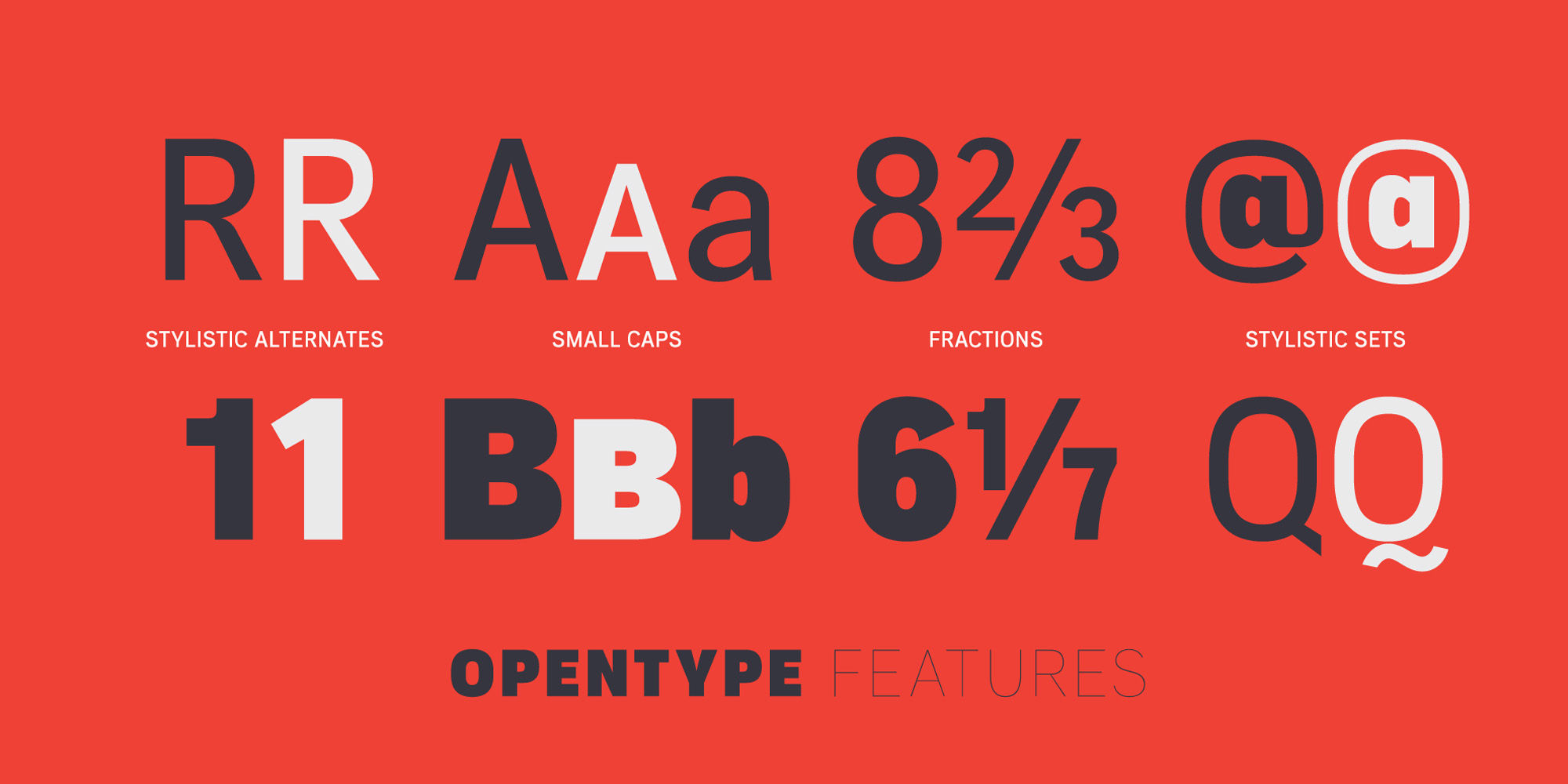
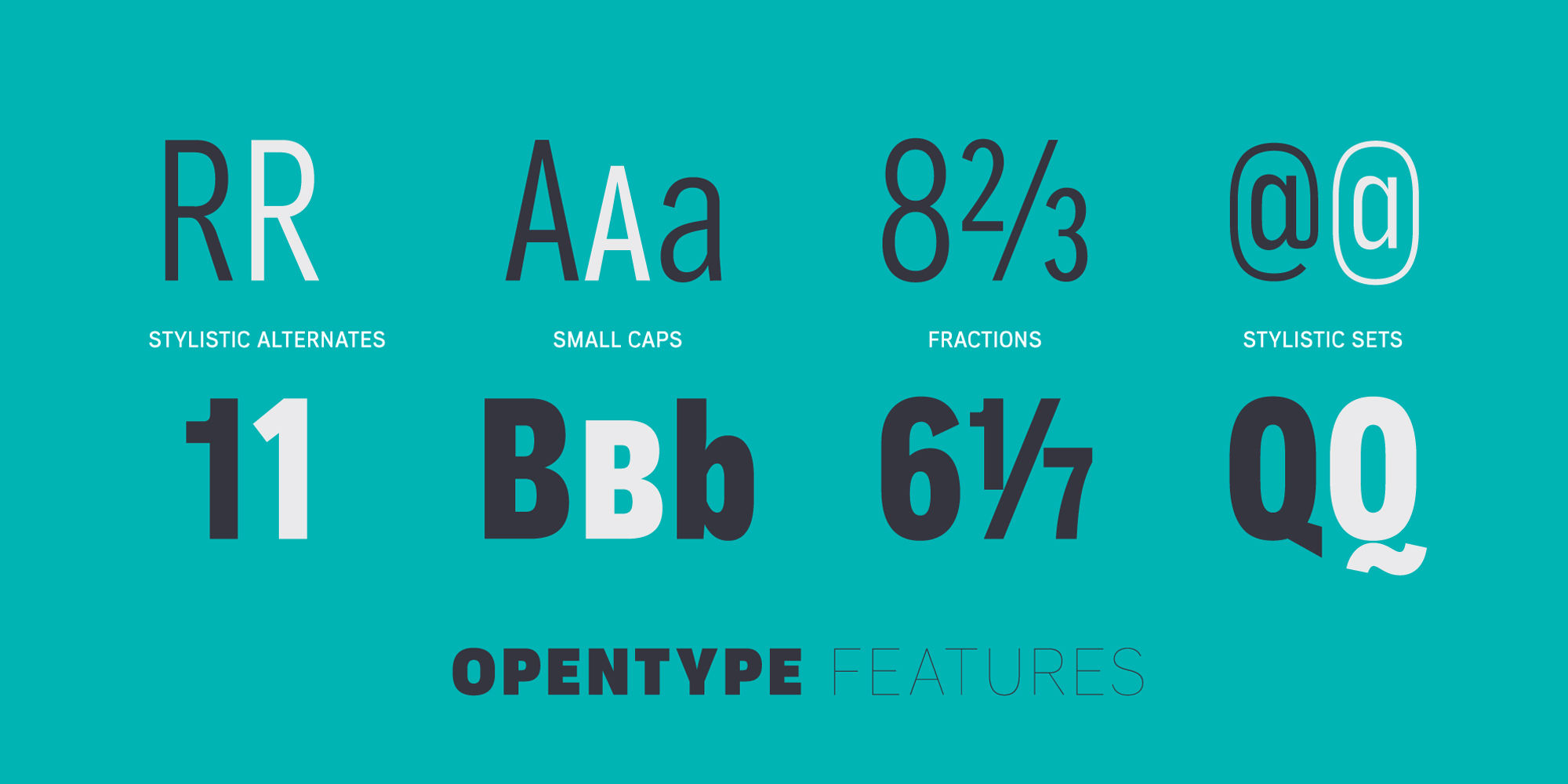
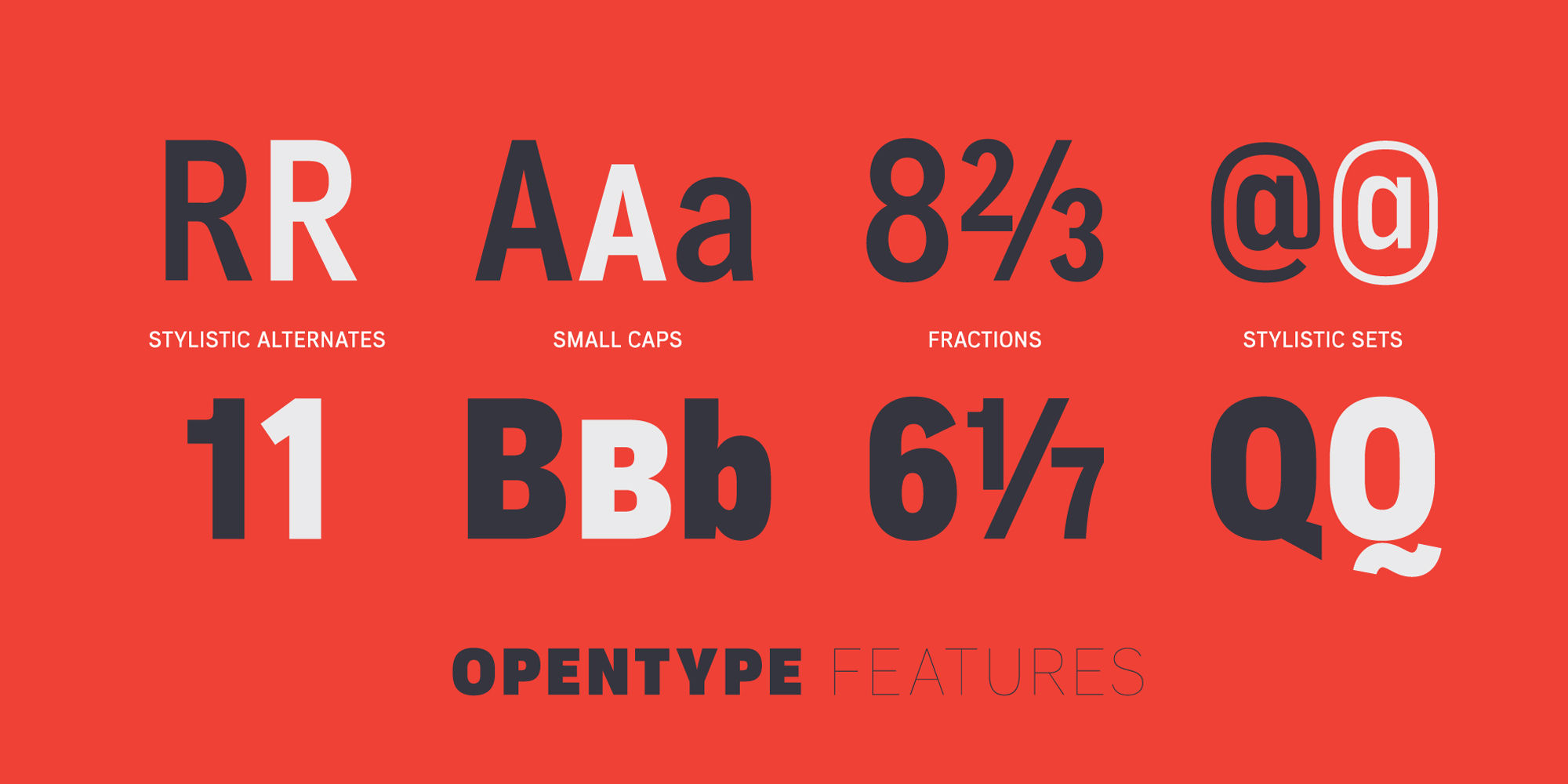
OpenType Features
ON
Small Caps
Small Capssmcp
ON
56/789 6/7
Fractionsfrac
ON
H: [H] «H»
Case-Sensitive Formscase
ON
J K Q R k r
Stylistic Set 1ss01
ON
@
Stylistic Set 2ss02
ON
@
Stylistic Set 3ss03

Specimens
Unknown72px
Anthropomorphism
Unknown72px
Circumnavigational
Unknown72px
Greatgrandchildren
Unknown72px
Uncompetitiveness
Unknown72px
Recommencement
Unknown72px
Transmogrification
Unknown72px
Unenthusiastically
Unknown72px
Chrysanthemums
Unknown72px
Diagrammatically
Unknown68px
Unknown24px
Unknown18px
Description
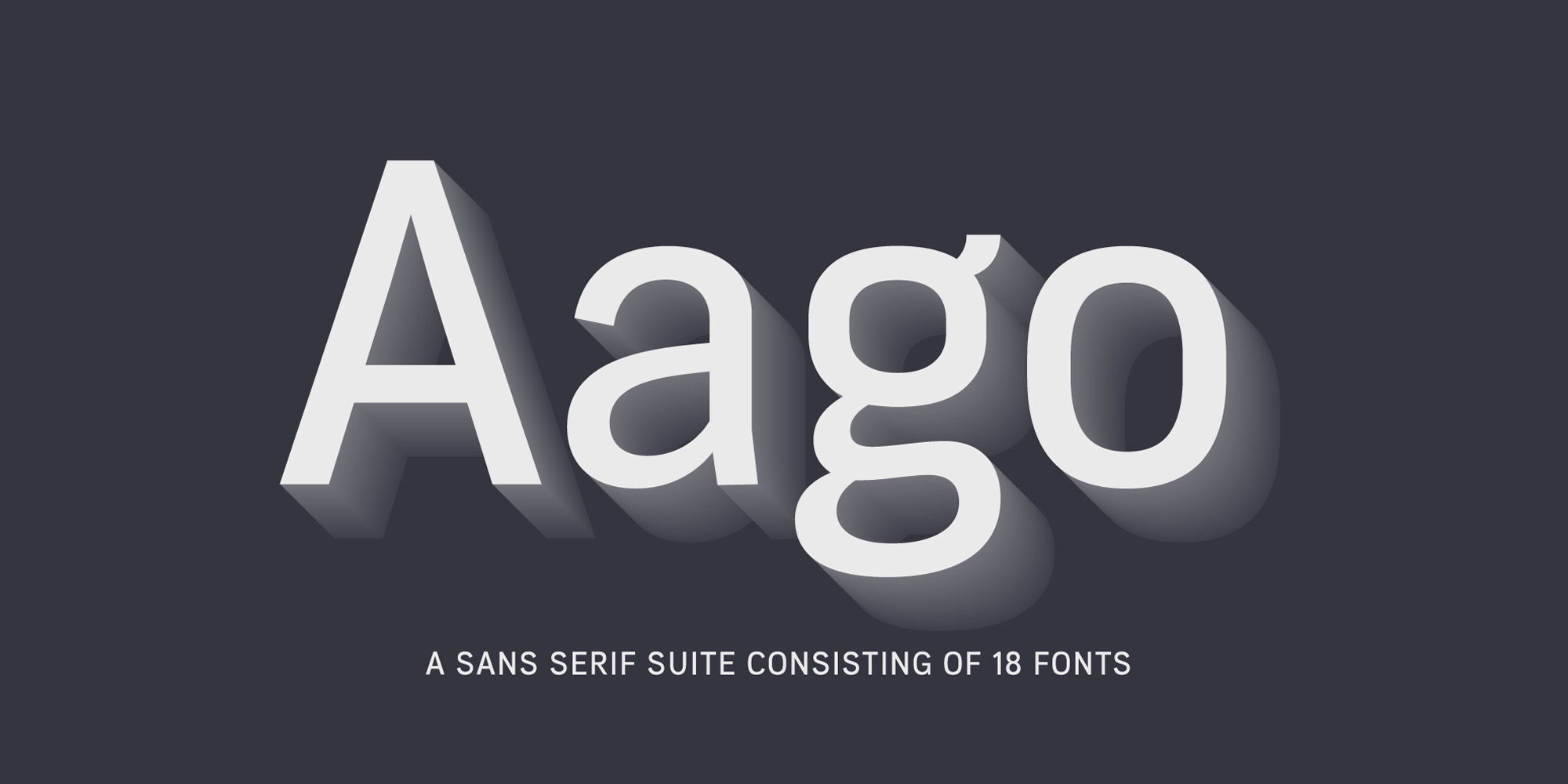
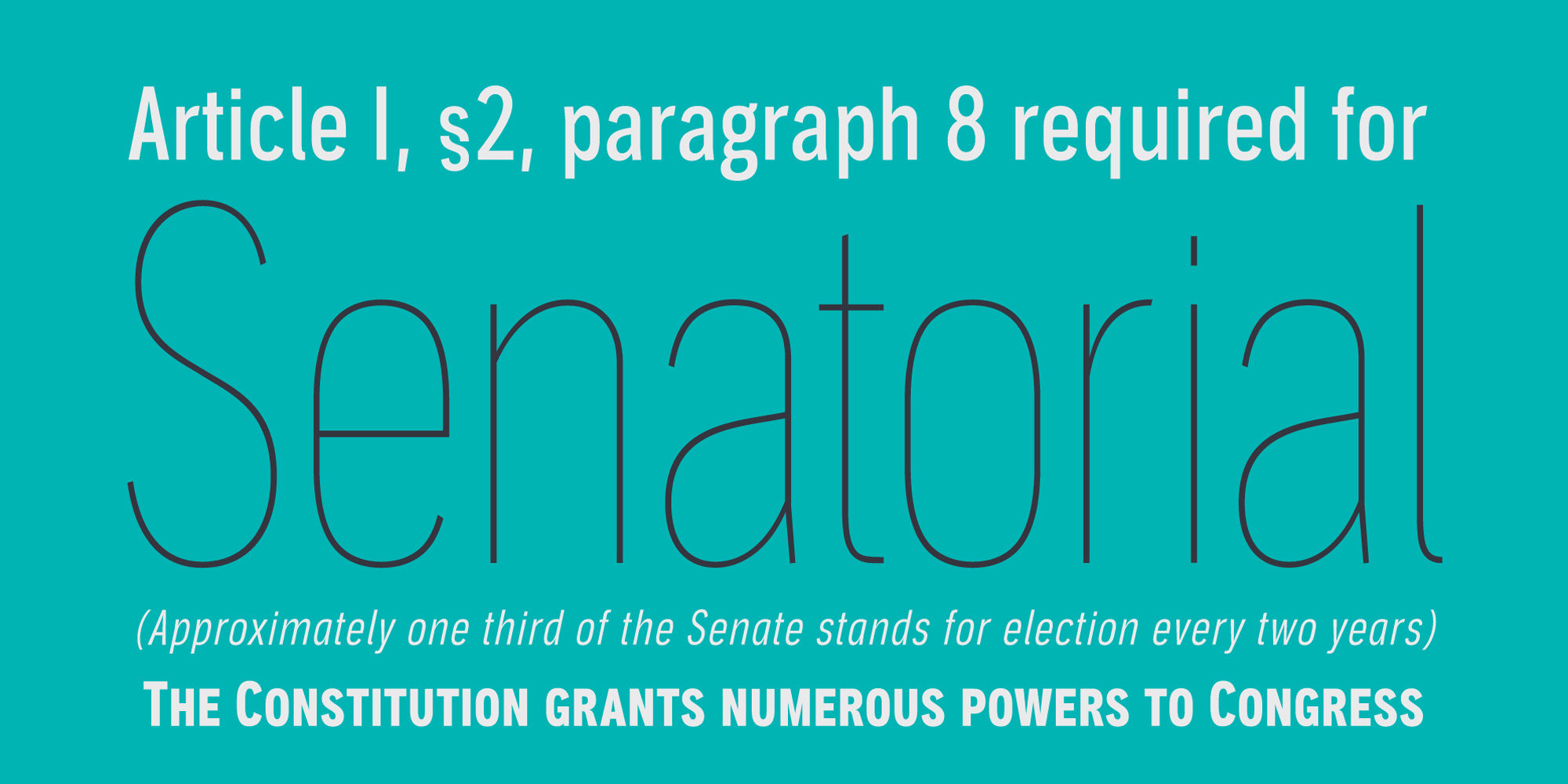
Aago is year-long project to create a sans inspired by Positype’s popular Aaux Next typeface, but not beholden to its previous conventions.
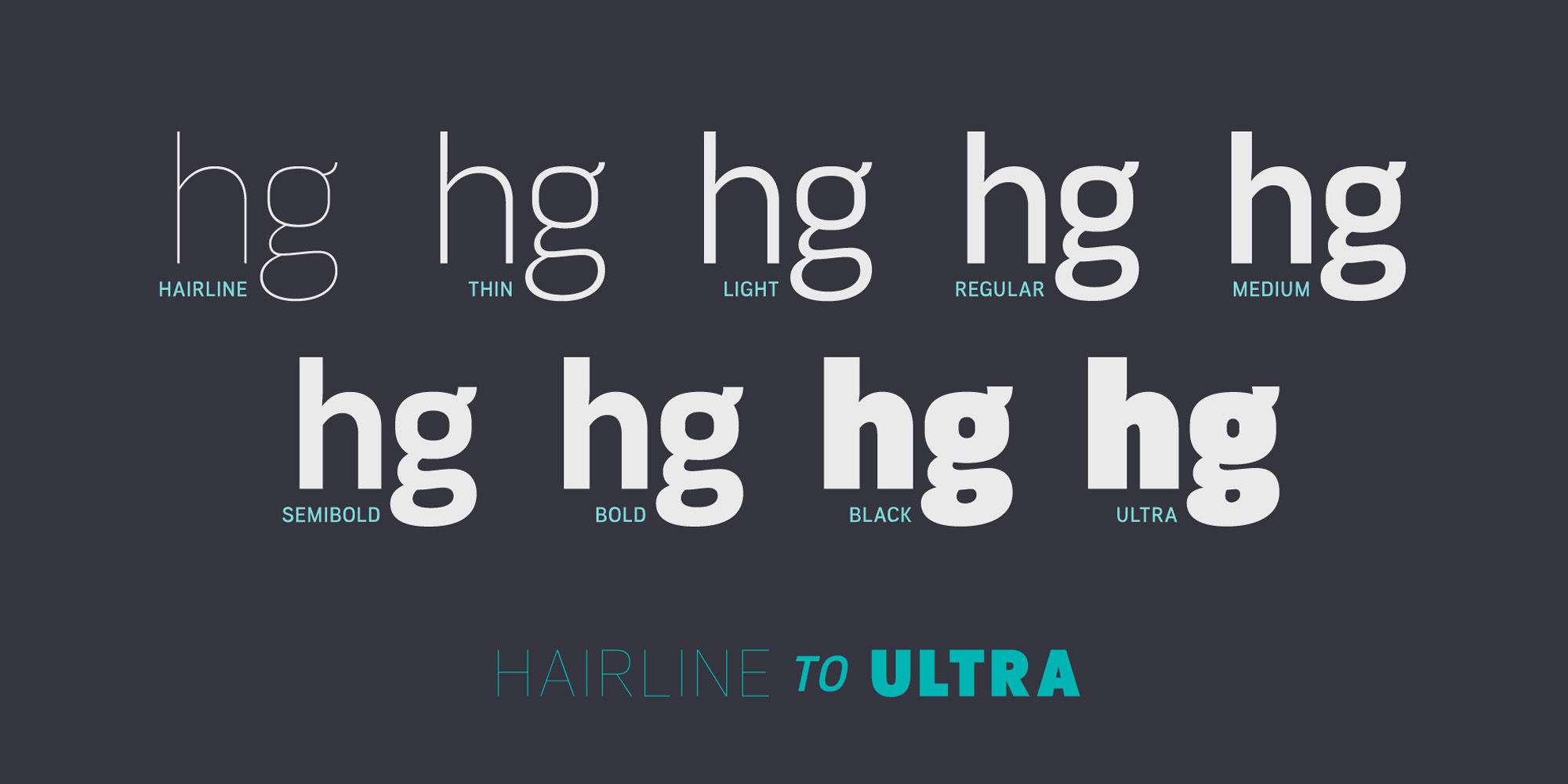
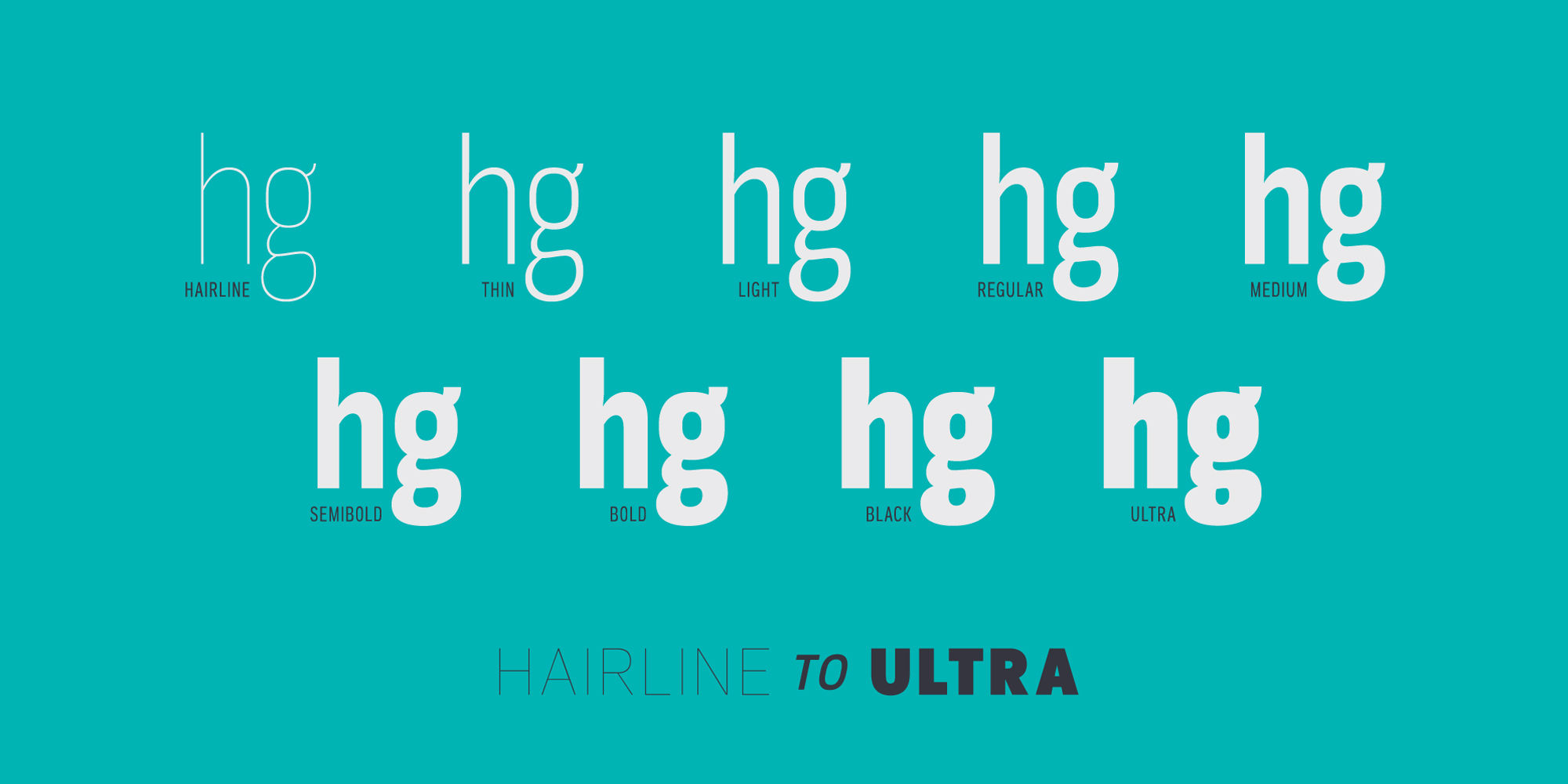
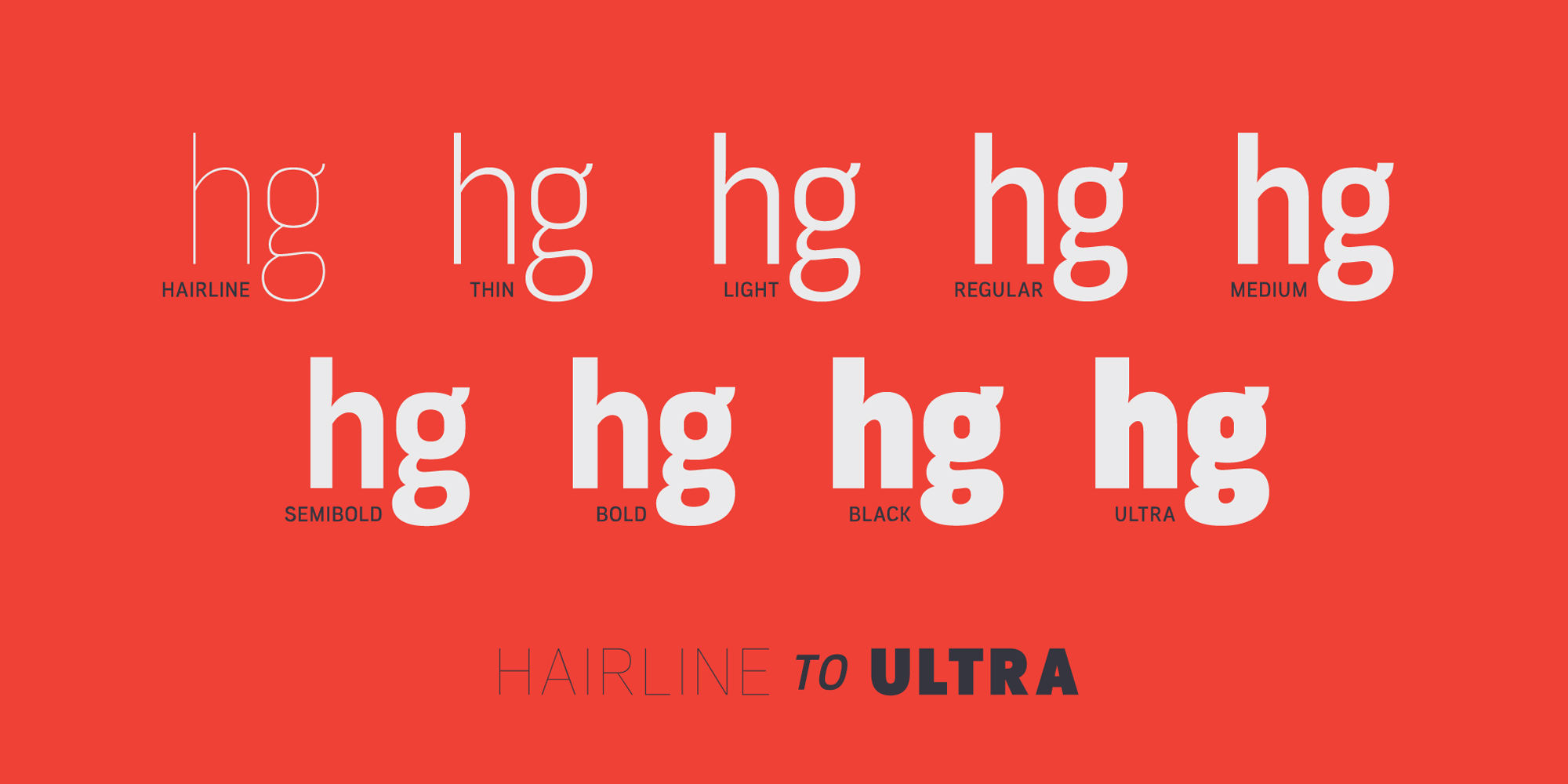
54 fonts spread across 3 widths, 9 weights, and each with matching italics.
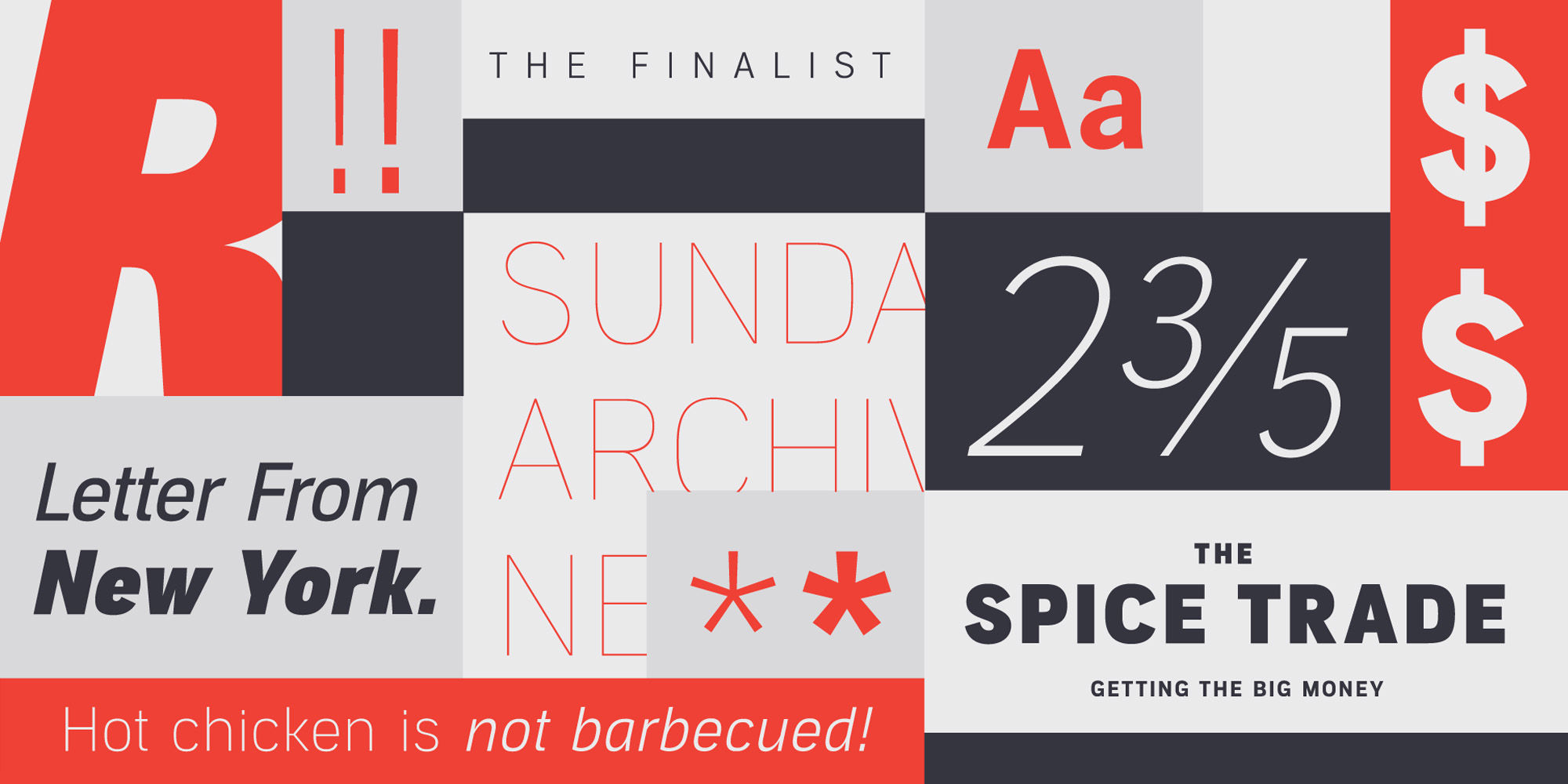
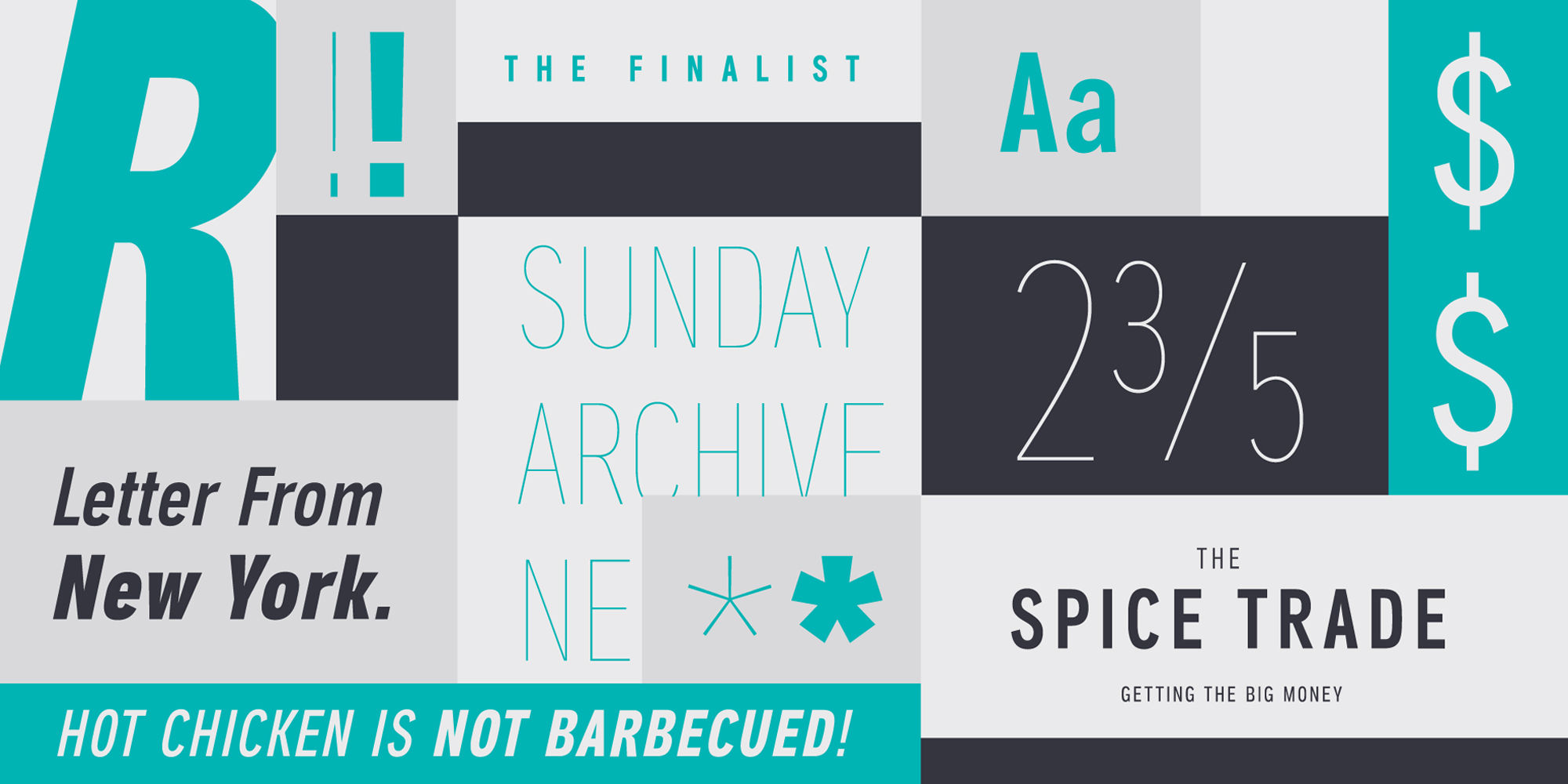
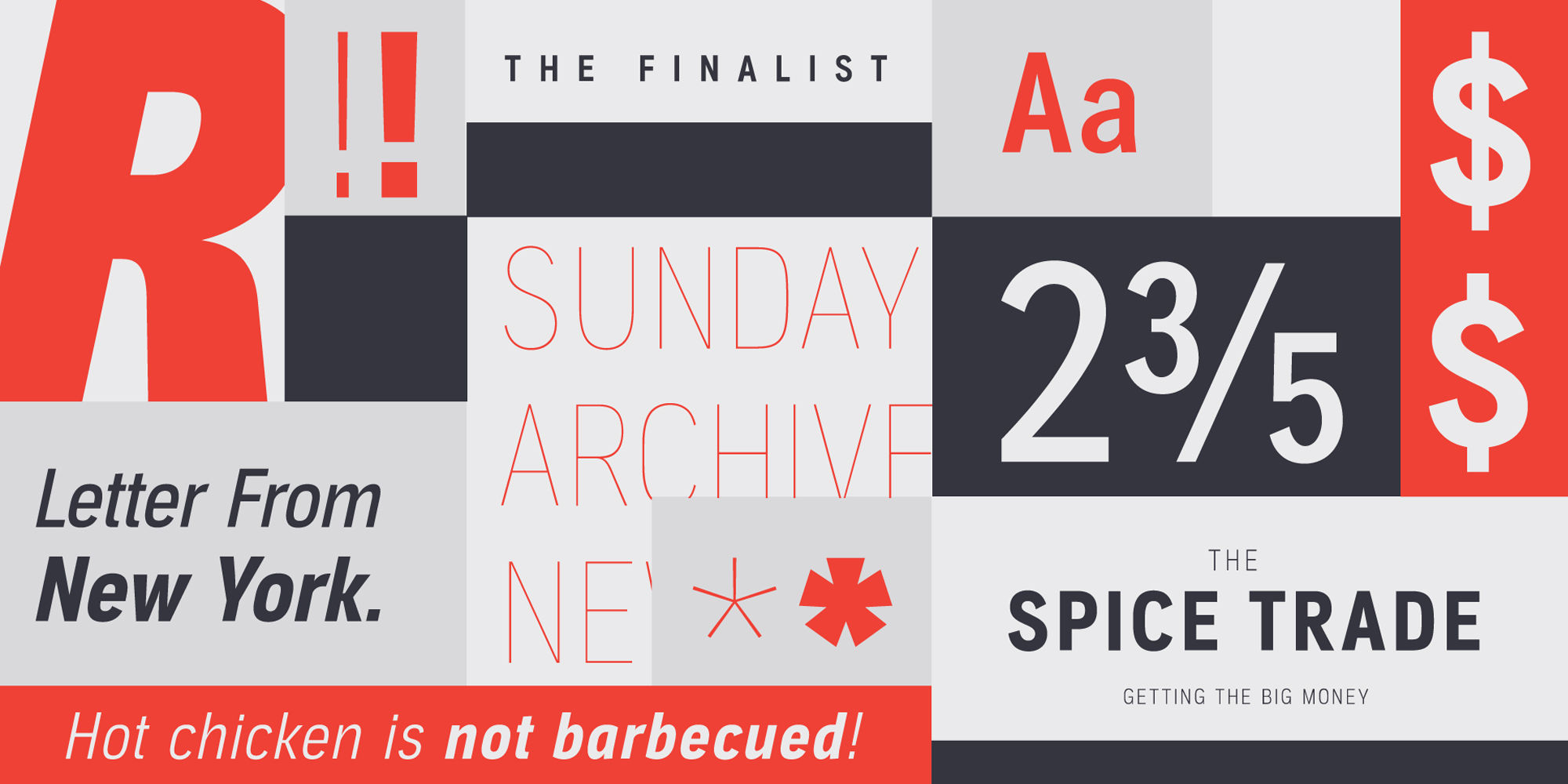
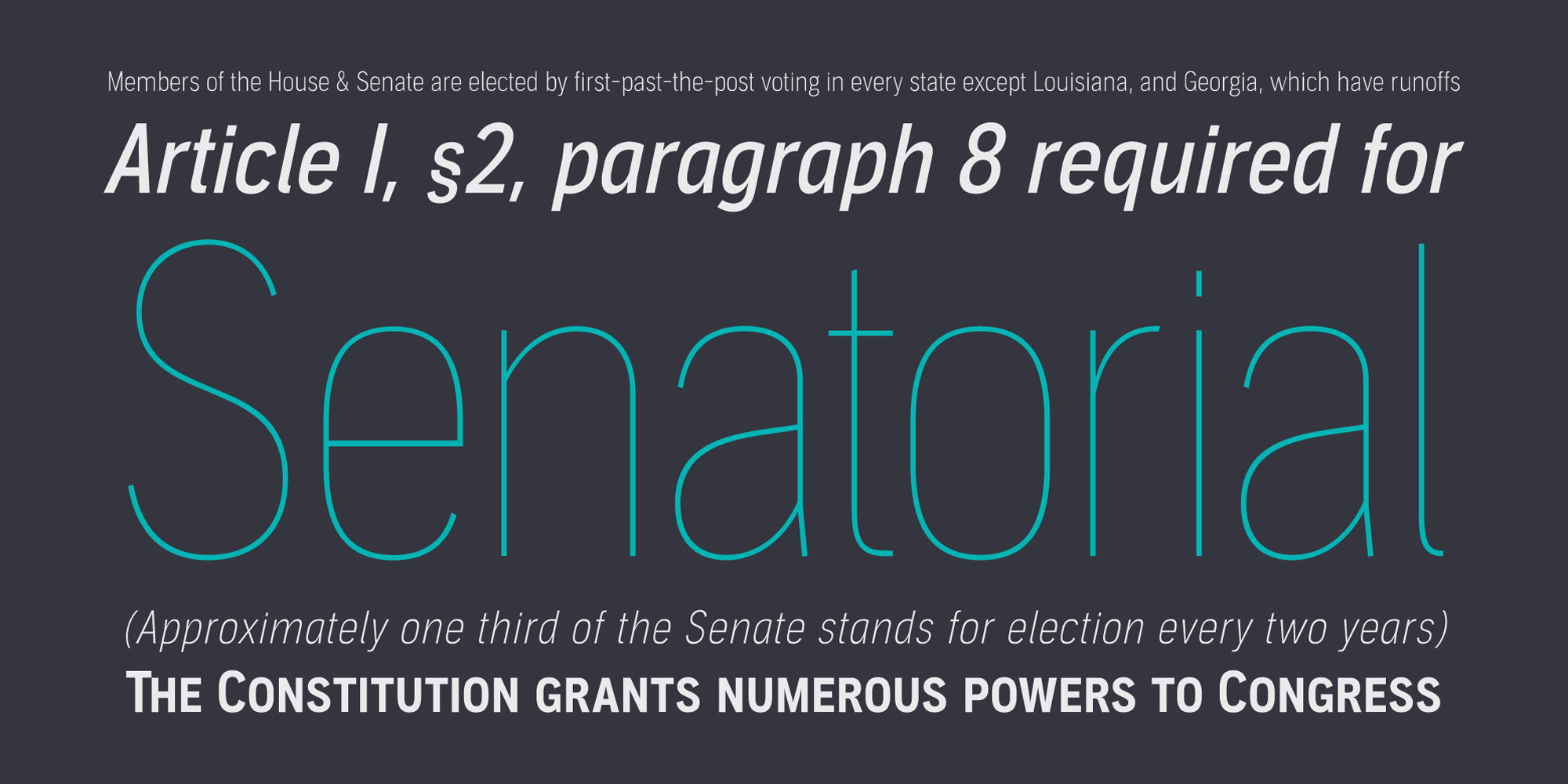
Drawn from the ground up to “just work well” across print and screen uses, Aago provides a comfortable, not too wide footprint with hopes of becoming a go-to utilitarian typeface perfect for packaging, branding and identity systems, poster and billboards, small and HD screens alike.
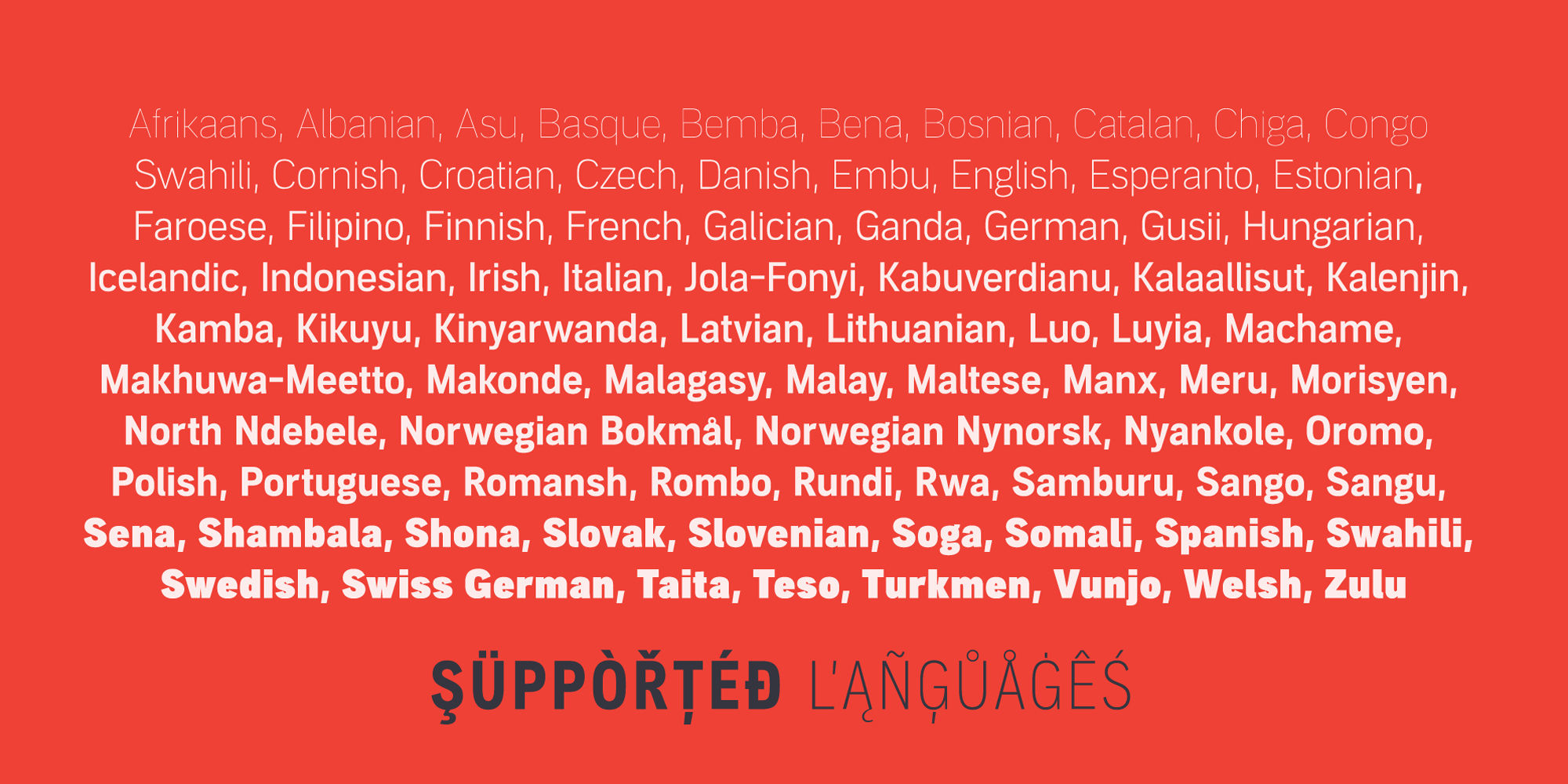
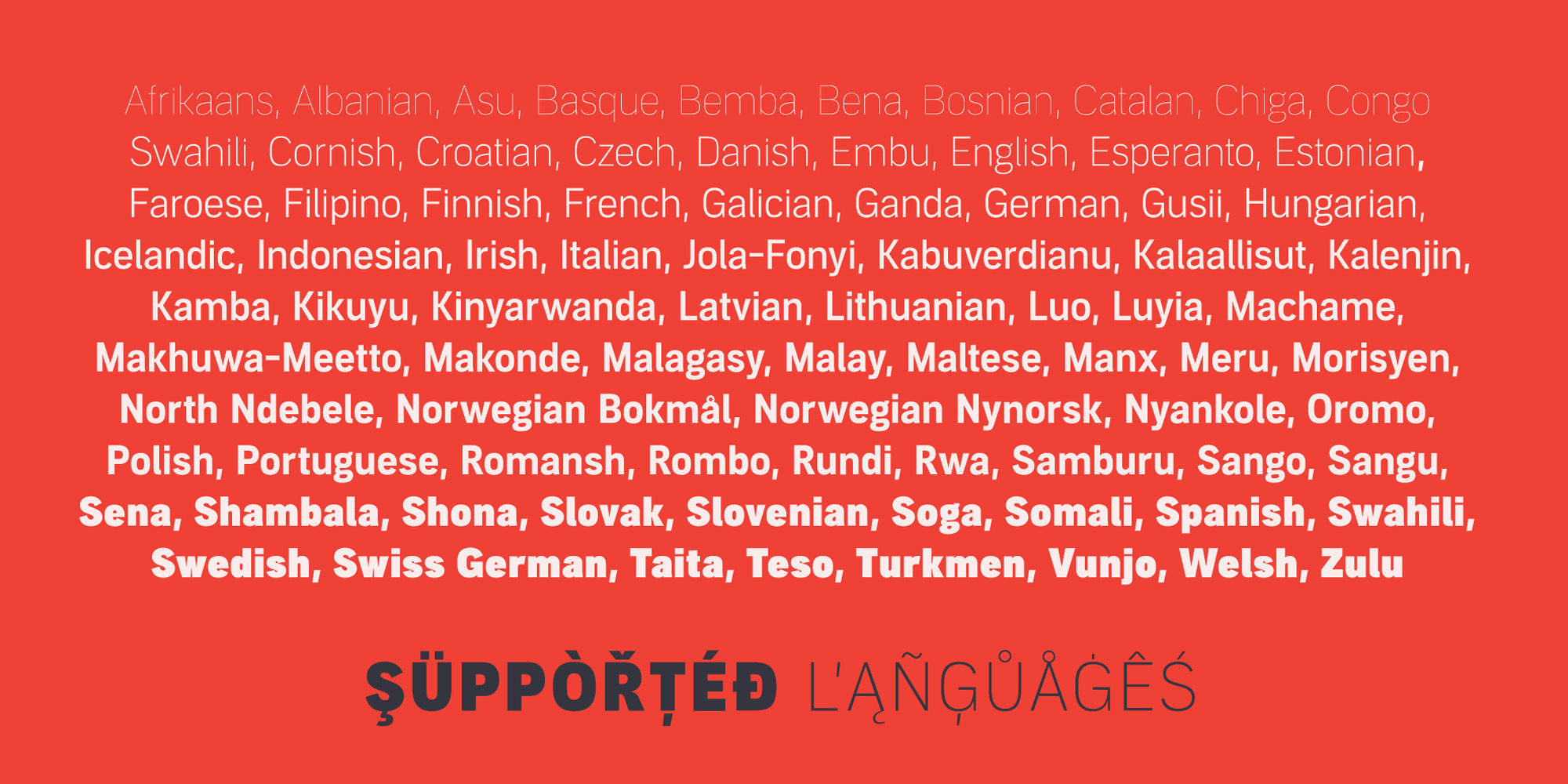
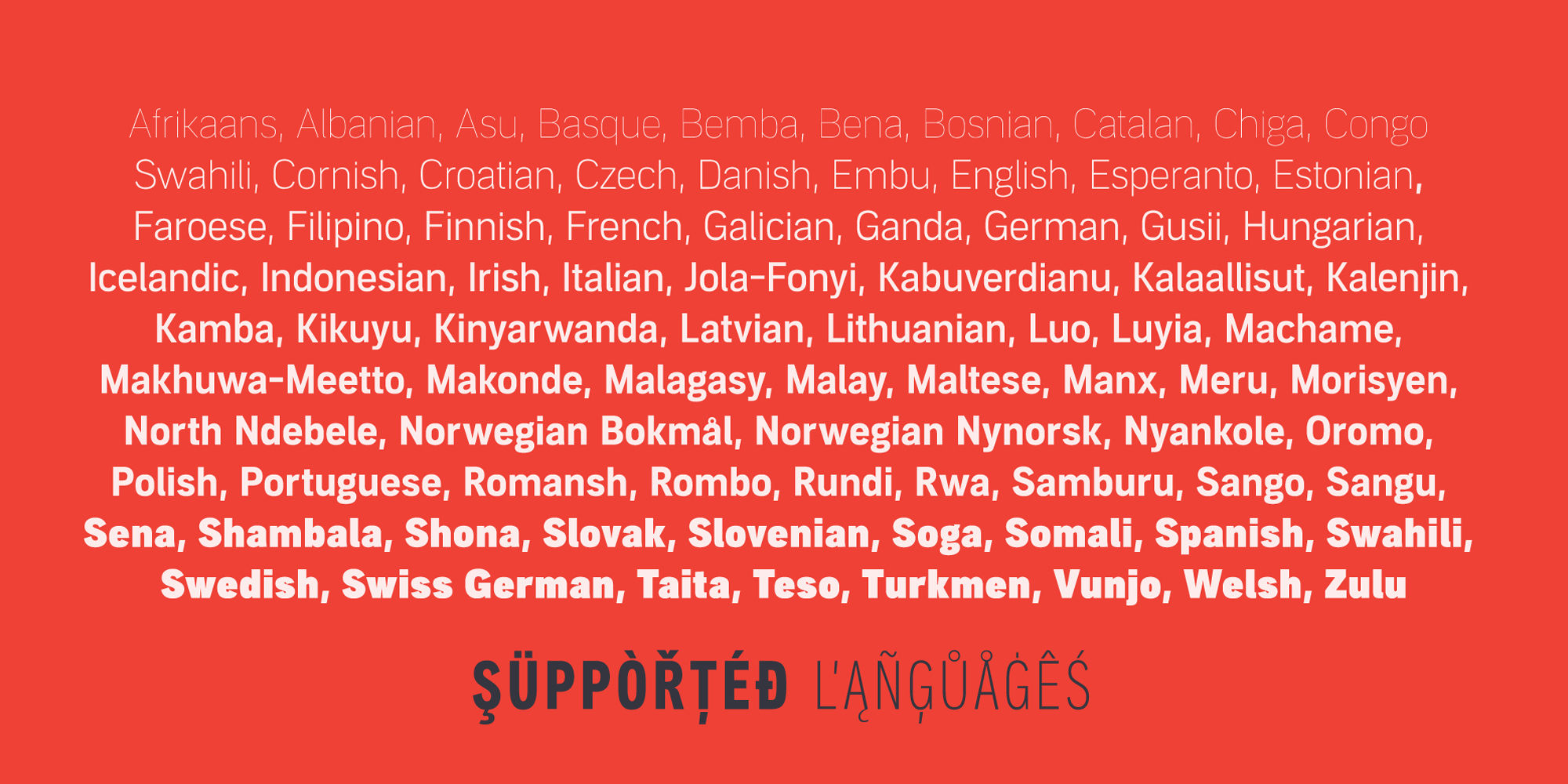
Supported Languages
Glyphs
U+0041 / A
Outlines
▼Latin Uppercase26
▼Latin Lowercase26
▼Latin Uppercase Accented86
▼Latin Lowercase Accented87
▼Numerals10
▼Currency6
▼Fractions7
▼Punctuation & Symbols65
▼Mathematical Symbols14
▼Geometric Shapes & Misc1
▼Greek Uppercase2
▼Greek Lowercase2
▼Alternates1
▼Denominators10
▼Numerators10
▼Ordinals8
▼Stylistic Set 0115
▼Stylistic Set 021
▼Stylistic Set 031
This typeface contains a total of 380 glyphs
Hi! Positype uses essential cookies to keep checkout and your session working, and, with your permission, Google Analytics to understand how the site is used. Essential cookies are always on; analytics is your choice.