Typefaces
Support
Legal
Learn
Positype
You
support@positype.com|Instagram|Threads|Blue Sky|Pinterest
Subscribe Now

Organic Pro

Designer:Neil Summerour
Engineer:Potch Auacherdkul
Initial Release:2009
Current Release:2021
Styles:16
Available Writing Systems
Available Styles
ThinThin ItalicLightLight ItalicRegularItalicMediumMedium ItalicSemiBoldSemiBold ItalicBoldBold ItalicBlackBlack ItalicUltraUltra Italic
OpenType Features
ON
fi fl
Standard Ligaturesliga
ON
Small Caps
Small Capssmcp
ON
12345/67890
Fractionsfrac
ON
x1+y23=z8
Superscriptsups
ON
H3KO12C9
Scientific Inferiorssinf
ON
3é 4th 2nd
Ordinalsordn
ON
[H] -H@ ¡H¿
Case-Sensitive Formscase
ON
0123456789
Oldstyle Numeralsonum
ON
0123456789
Tabular Numeralstnum
ON
J f g
Stylistic Set 1ss01
organic-pro-poster-OrganicPro-2x1-R5-0dc9a7c7.jpg
organic-pro-poster-OrganicPro-2x1-02-8a360514.jpg
organic-pro-poster-OrganicPro-2x1-R2-4341a7a3.jpg
organic-pro-poster-OrganicPro-2x1-R1-7ce314e2.jpg
organic-pro-poster-OrganicPro-2x1-04-3ce6c13c.jpg
organic-pro-poster-OrganicPro-2x1-R4-584bd66b.jpg
organic-pro-poster-OrganicPro-2x1-05-581863a8.jpg
organic-pro-poster-OrganicPro-2x1-06-0a8d92a4.jpg
organic-pro-poster-OrganicPro-2x1-10-b7e8db7b.jpg
organic-pro-poster-OrganicPro-2x1-R3-e95f22d3.jpg
organic-pro-poster-OrganicPro-2x1-R5-0dc9a7c7.jpg
organic-pro-poster-OrganicPro-2x1-02-8a360514.jpg
organic-pro-poster-OrganicPro-2x1-R2-4341a7a3.jpg
organic-pro-poster-OrganicPro-2x1-R1-7ce314e2.jpg
organic-pro-poster-OrganicPro-2x1-04-3ce6c13c.jpg
organic-pro-poster-OrganicPro-2x1-R4-584bd66b.jpg
organic-pro-poster-OrganicPro-2x1-05-581863a8.jpg
organic-pro-poster-OrganicPro-2x1-06-0a8d92a4.jpg
organic-pro-poster-OrganicPro-2x1-10-b7e8db7b.jpg
organic-pro-poster-OrganicPro-2x1-R3-e95f22d3.jpg
organic-pro-poster-OrganicPro-2x1-R5-0dc9a7c7.jpg
organic-pro-poster-OrganicPro-2x1-02-8a360514.jpg
Specimens
Thin72px
oligonucleotide retrosynthesis
Light72px
qiezoelectrica semiconductor
Regular72px
polyisoprenoid branch-chain
Medium72px
hydrocarbon unsaturization
SemiBold72px
molecular fragmentations
Bold72px
organometallic chemistry
Black72px
regenerative agriculture
Ultra72px
botanical investigations
Light Italic48px
Organic farming begins with the soil. The grower who refuses synthetic fertilizers and pesticides commits to a slower, more attentive form of agriculture, one built on crop rotation, compost, and the patient work of restoring what conventional farming has drawn out. The harvest that follows is the visible reward of a much longer and quieter underground labor.
Italic44px
The shopper who reaches for an organic apple is making a small decision that ripples outward. The choice supports a farmer who has chosen a harder path, a supply chain built on transparency, and a vision of food that values long-term health over short-term yield. Each purchase is a quiet vote for a different way of growing.
Medium Italic40px
The organic food industry has grown from a fringe movement into a major force in global agriculture. Once confined to small co-ops and weekend markets, organic produce now fills the aisles of mainstream grocery stores. The transformation has been remarkable, though it has also raised difficult questions about scale, certification, and the meaning of the word itself.
Medium22px
Organic agriculture occupies a particular place in the modern food economy, somewhere between the ancient methods that fed humanity for thousands of years and the demanding standards of contemporary commerce. At its core, the practice is straightforward. Grow food without synthetic pesticides or fertilizers. Build the soil through compost and crop rotation. Treat livestock with practices that respect the animal and the land. The simplicity of the principles, however, conceals a far more complicated reality on the working farm. The farmer who commits to organic methods accepts a slower production cycle, more demanding labor, and a greater dependence on the weather and the season. Yields can be lower, especially in the early years before the soil recovers from decades of conventional management. The premium prices that organic produce commands at the market reflect, in part, the genuine cost of growing food this way. They also reflect consumer demand that has grown faster than the supply, drawing new entrants into the field and prompting larger operations to expand their organic offerings. The result is an industry caught between its founding ideals and its growing scale. The small family farm that once defined organic agriculture now coexists with major corporate producers operating on thousands of acres. Both can meet the legal definition of organic. Both can place the same green label on their packaging. The shopper at the grocery shelf is rarely in a position to tell the difference, which is why the conversation about what organic should mean continues to evolve, year after year.
Regular18px
The organic food movement is younger than people often assume. Although the principles behind it are as old as agriculture itself, the formal idea of organic farming as a distinct practice took shape only in the early twentieth century, in response to the industrial transformation of food production. Pioneers like Sir Albert Howard in Britain and J. I. Rodale in the United States argued that the new chemical agriculture, however productive, was severing the ancient relationship between soil, crop, and consumer. They proposed a return to what they called the law of return, the idea that what is taken from the soil must be given back through compost and rotation rather than synthesized in a factory. For decades the movement remained small, regarded by mainstream agriculture as nostalgic at best and unscientific at worst. The countercultural shifts of the 1960s and 1970s brought new attention to organic principles, and small co-ops and health food stores began to spread across Europe and North America. The food itself remained a niche product, sold at a premium to a committed clientele willing to pay for what was not yet officially defined. The transformation came in the 1990s and early 2000s, when government certification programs in the United States, the European Union, and other regions established legal definitions of organic and the label entered mainstream commerce. Sales rose sharply. Major retailers built entire sections around organic produce. What had been a fringe pursuit became a recognized category in the global food economy. The movement had won a kind of victory, though many of its earliest advocates would spend the following decades arguing about whether the victory had cost the movement its original soul.
Light16px
The word organic is among the most heavily contested in modern commerce. To the shopper standing in the produce aisle, the green label suggests a simple promise. The food was grown without synthetic pesticides or fertilizers. The soil was tended carefully. The animals were treated humanely. Whatever else organic means, it appears to mean something better, something cleaner, something closer to the way food was grown before the industrial revolution reshaped agriculture. For many shoppers, that promise is enough to justify the higher price. The reality behind the label is more complex. Organic certification is a legal and regulatory framework, established in different forms by governments around the world, that defines a specific set of practices a farmer must follow to use the term. The framework permits a wide range of approaches, from the small family operation that grows a dozen crops on twenty acres to the corporate producer who farms thousands of acres of a single organic crop and ships it across the country in refrigerated trucks. Both can carry the same certification. Both can place the same label on their packaging. The framework, by design, treats them as equivalent. This equivalence has been the source of long-running debate among the people who care about organic agriculture most deeply. Some argue that the certification has done its job, drawing major investment into organic methods and dramatically expanding the acreage farmed without synthetic chemicals. Others argue that the certification has been quietly captured, its standards gradually weakened by the pressure of large operators, its founding ethos lost in the process of going mainstream. Both views contain a measure of truth. The shopper, meanwhile, is left to navigate the gap between what the label promises and what it actually requires. A small farm at the local market, where the grower can be asked directly about the practices used, may offer something closer to the original organic vision than the certified produce on the supermarket shelf. The label remains useful, but it is no longer the whole story. The food economy has grown complicated enough that no single word, however carefully defined, can carry the full weight of what consumers are increasingly asking the food system to do.
Description
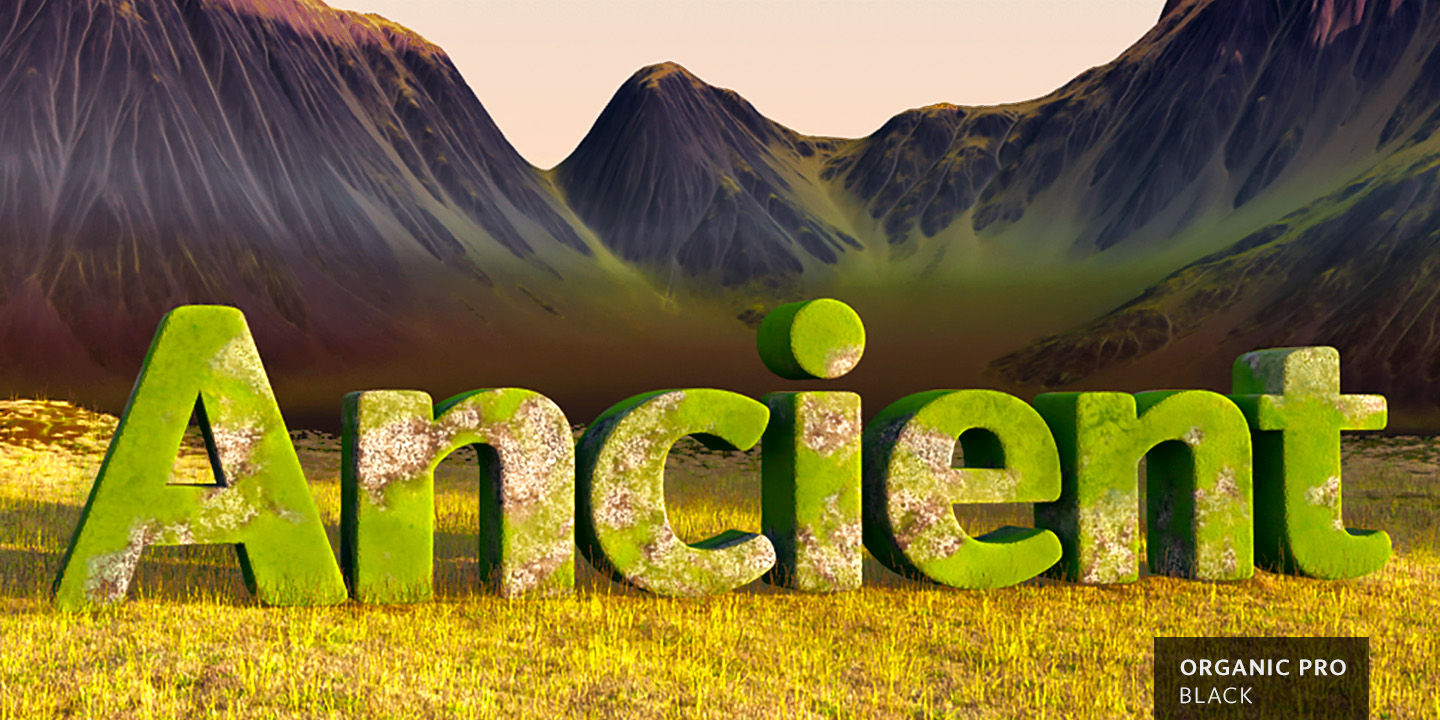
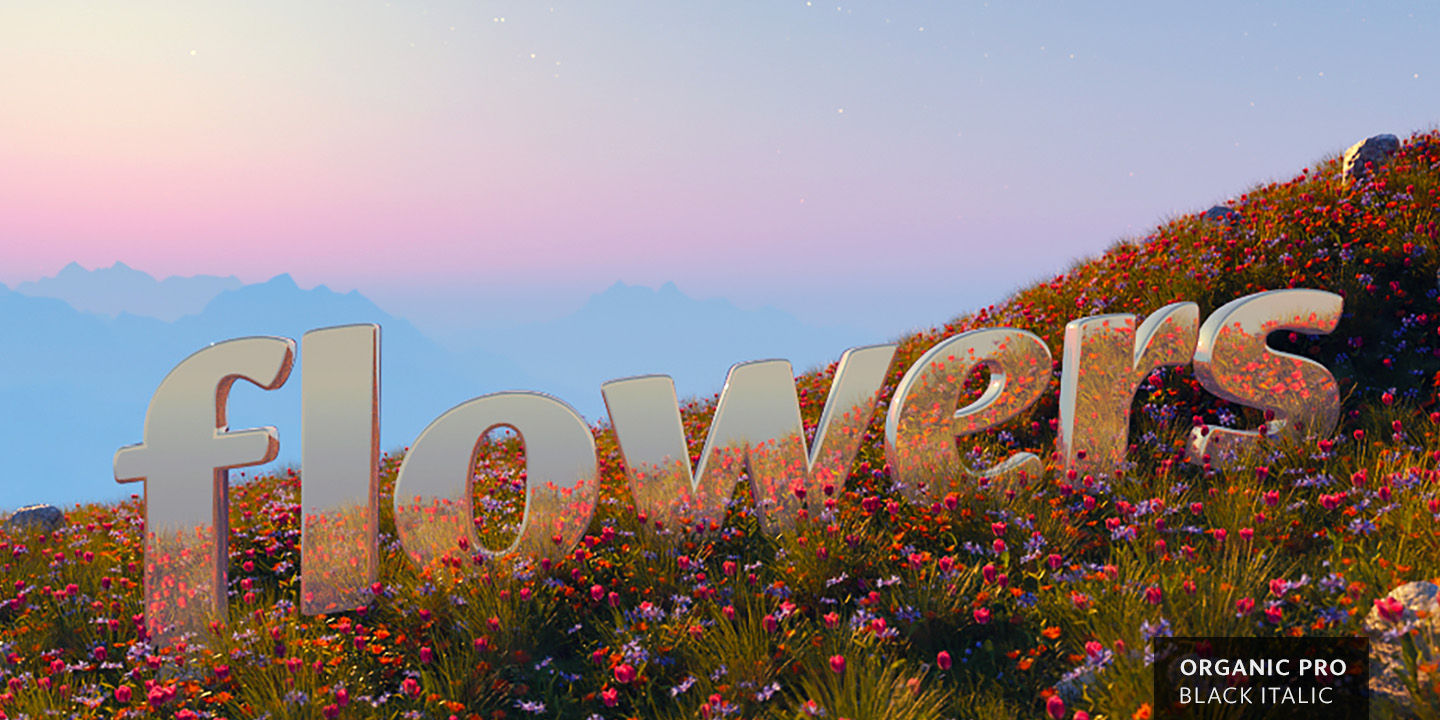
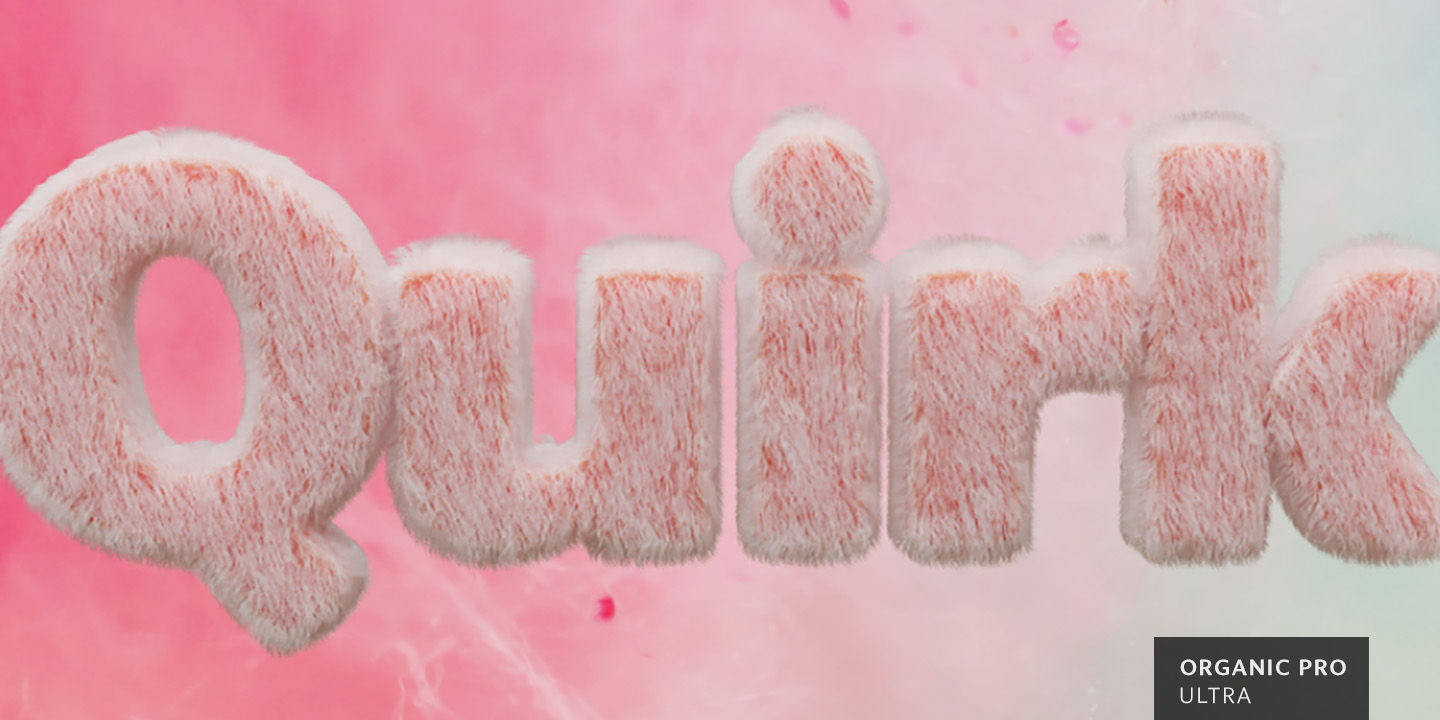
When I released the original Organic in 2009, I was satisfied with it. It was what was possible from me and the technology at the time. The Organic Pro of 2021 takes those original desires of delivering a highly legible and friendly sans serif, and doubles down on those notions, while exploring what further infusing warmth in a highly structured sans serif can really do for a client.

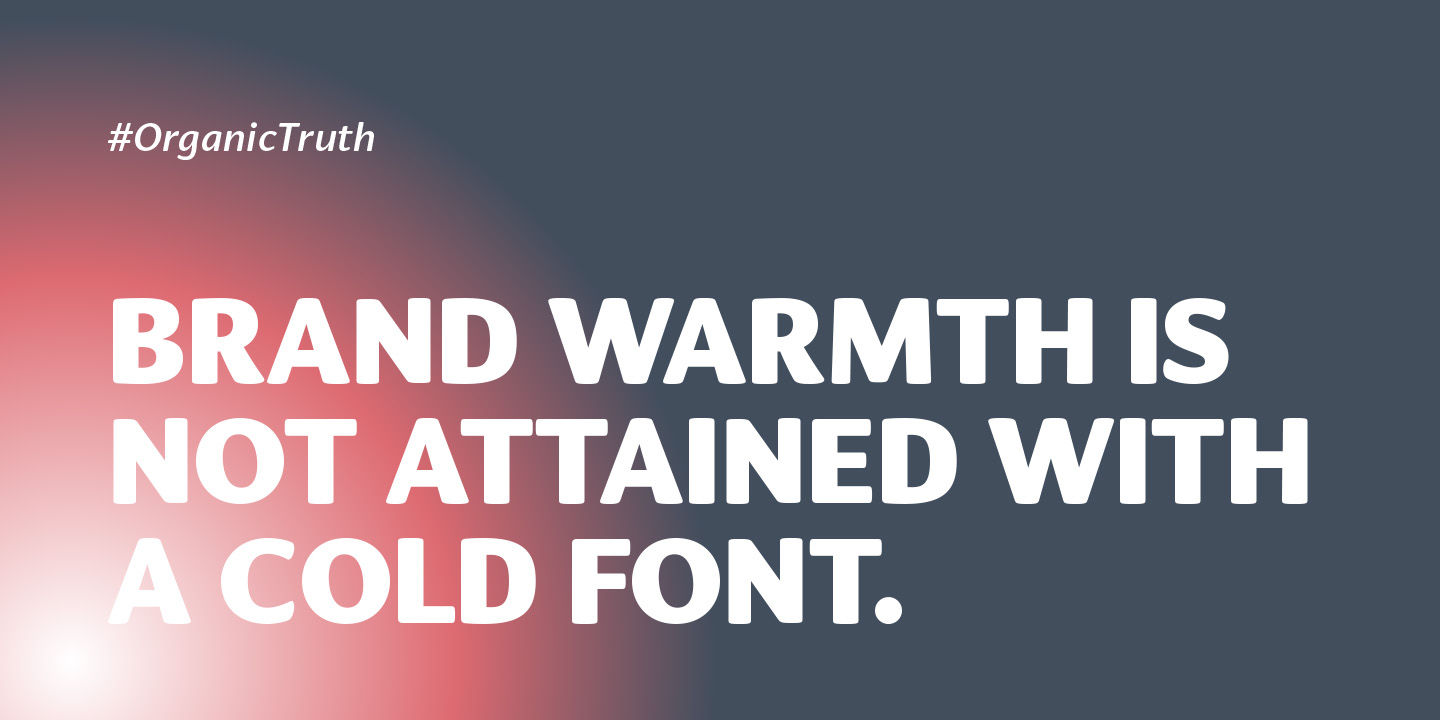
Free of distracting and potentially dating visual traits and cues that could be seen as endemic of a specific time period or ‘type trend’, Organic Pro is its own person—take it or leave it. Inviting warmth, assured reliability, and a head nod of confidence is what you walk away with—a stark contrast to the cold, impersonal geometrics and grotesques proliferating the design annuals currently. Releasing this typeface now, completely redrawing the masters, as well as expanding the weight and language options, should be seen as a laid back challenge that we need to do less with type, let it communicate confidently and warmly when it needs to, and stop forcing one-size-fits-all type trends on everyone.
Supported Languages
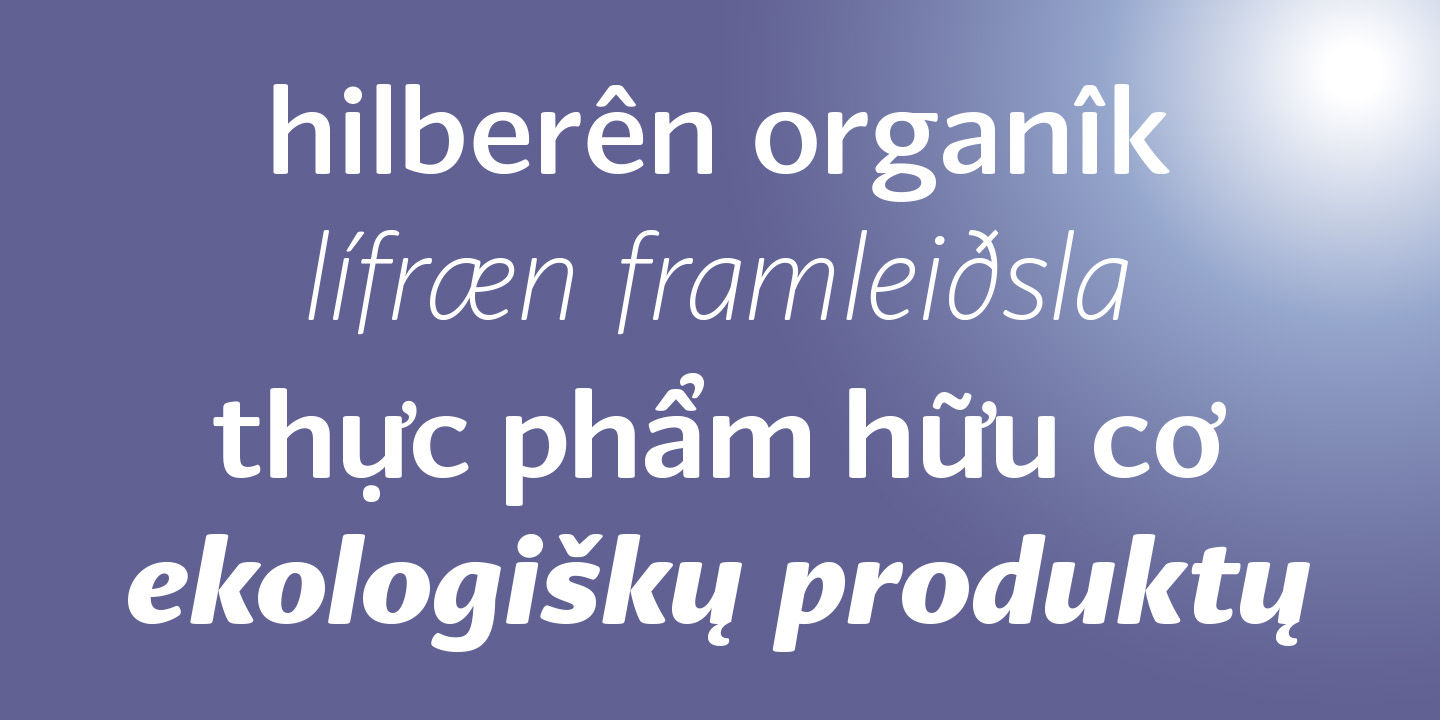
341 Supported Languages
ACZAcheron
ACEAchinese
ACHAcholi
ACUAchuar-Shiwiar
AARAfar
AFRAfrikaans
AGRAguaruna
AHTAhtna
AINAinu
GAHAlekano
ALEAleut
ALQAlgonquin
AMCAmahuaca
AMRAmarakaeri
AMIAmis
ANWAnaang
DGLAndaandi
AUDAnuta
NJOAo Naga
APNApinayé
ARGAragonese
AAEArbëreshë Albanian
AATArvanitika Albanian
CNIAsháninka
PRQAshéninka Perené
AIIAssyrian Neo-Aramaic
ASTAsturian
ASAAsu
TAYAtayal
AWEAwetí
BANBalinese
BJNBanjar
BFABari
BAKBashkir
EUSBasque
BTDBatak Dairi
BTXBatak Karo
BTMBatak Mandailing
BTSBatak Simalungun
BBCBatak Toba
BELBelarusian
BEMBemba
BEZBena
BIKBikol
BINBini
BISBislama
GAXBorana-Arsi-Guji Oromo
BOSBosnian
BREBreton
BUGBuginese
CBUCandoshi-Shapra
COTCaquinte
HNSCaribbean Hindustani
CBRCashibo-Cacataibo
CBSCashinahua
CATCatalan
CEBCebuano
AYRCentral Aymara
CKBCentral Kurdish
CBIChachi
CHAChamorro
CBKChavacano
CICChickasaw
CGGChiga
CSAChiltepec Chinantec
CJKChokwe
CHKChuukese
CIMCimbrian
CONCofán
SWCCongo Swahili
CORCornish
COSCorsican
MUSCreek
CRHCrimean Tatar
HRVCroatian
DANDanish
DHVDehu
DIQDimli
NLDDutch
AAQEastern Abnaki
AEREastern Arrernte
HAEEastern Oromo
EFIEfik
EBUEmbu
ENGEnglish
ESEEse Ejja
EPOEsperanto
CFMFalam Chin
FAOFaroese
FIJFijian
FILFilipino
FINFinnish
FRAFrench
FURFriulian
GQAGa'anda
GLGGalician
GANGan Chinese
LUGGanda
CABGarifuna
DEUGerman
ALNGheg Albanian
GILGilbertese
GOMGoan Konkani
GNIGooniyandi
GUXGourmanchéma
GCFGuadeloupean Creole French
GUZGusii
HATHaitian
CNHHakha Chin
HAAHan
HNIHani
HILHiligaynon
WINHo-Chunk
HOPHopi
HUSHuastec
ISLIcelandic
IDOIdo
ILOIloko
SMNInari Sami
INDIndonesian
IGSInterglossa
INAInterlingua
ILEInterlingue
GLEIrish
ITAItalian
MZIIxcatlán Mazatec
JAMJamaican Creole English
JPNJapanese
JAVJavanese
DYOJola-Fonyi
QUCK'iche'
KEAKabuverdianu
KGPKaingang
MWPKala Lagaw Ya
KALKalaallisut
KLNKalenjin
KAMKamba
KQNKaonde
CAKKaqchikel
KRLKarelian
CSBKashubian
KEKKekchí
XNZKenzi
KHAKhasi
KIKKikuyu
KMBKimbundu
KINKinyarwanda
KIUKirmanjki
KTUKituba
KONKongo
KOOKonzo
KUAKuanyama
FKVKven Finnish
KSHKölsch
LLDLadin
LADLadino
LATLatin
LIJLigurian
LITLithuanian
LMOLombard
NDSLow German
DSBLower Sorbian
LOZLozi
LUALuba-Lulua
SMJLule Sami
LUOLuo
LUSLushai
LTZLuxembourgish
MADMadurese
VMWMakhuwa
MGHMakhuwa-Meetto
KDEMakonde
YMKMakwe
MLGMalagasy
ZLMMalay
MLTMaltese
MNKMandinka
MFVMandjak
KNFMankanya
GLVManx
SWBMaore Comorian
ARNMapudungun
ULKMeriam Mir
MERMeru
OTEMezquital Otomi
XRGMinang
MINMinangkabau
MWLMirandese
MOHMohawk
CNRMontenegrin
MFEMorisyen
UMUMunsee
MWFMurrinh-Patha
TTTMuslim Tat
WMWMwani
MIQMískito
NAGNaga Pidgin
NDONdonga
NAPNeapolitan
ZDJNgazidja Comorian
FIANobiin
NOTNomatsiguenga
AZJNorth Azerbaijani
NDENorth Ndebele
KMRNorthern Kurdish
HEANorthern Qiandong Miao
SMENorthern Sami
UZNNorthern Uzbek
OJBNorthwestern Ojibwa
NORNorwegian
NOVNovial
NYANyanja
NYNNyankole
OCIOccitan
CHJOjitlán Chinantec
ORCOrma
ORHOroqen
OSSOssetian
LOTOtuho
PAUPalauan
PLZPaluan
PAMPampanga
TOPPapantla Totonac
PAPPapiamento
NSOPedi
PCDPicard
CPUPichis Ashéninka
PMSPiemontese
PISPijin
PIUPintupi-Luritja
PPLPipil
SJEPite Sami
PONPohnpeian
POLPolish
PORPortuguese
POTPotawatomi
TSZPurepecha
PBBPáez
QUEQuechua
ROHRomansh
ROORotokas
RUNRundi
RWKRwa
SAQSamburu
SAGSango
SBPSangu
SRMSaramaccan
SRDSardinian
SCOScots
GLAScottish Gaelic
SEYSecoya
SEHSena
SRPSerbian
SEISeri
CRSSeselwa Creole French
KSBShambala
SJWShawnee
SHPShipibo-Conibo
SNAShona
JIVShuar
SCNSicilian
SZLSilesian
SLKSlovak
SLVSlovenian
XOGSoga
SOMSomali
SNKSoninke
AZBSouth Azerbaijani
NBLSouth Ndebele
AYCSouthern Aymara
HMSSouthern Qiandong Miao
SMASouthern Sami
SOTSouthern Sotho
SPASpanish
SRNSranan Tongo
EKKStandard Estonian
ZSMStandard Malay
SUNSundanese
SWHSwahili
SSWSwati
SWESwedish
GSWSwiss German
TGLTagalog
DAVTaita
TLYTalysh
CTDTedim Chin
TEOTeso
TETTetum
TDTTetun Dili
TIVTiv
TLITlingit
TOBToba
TOJTojolabal
TPITok Pisin
TOKToki Pona
TOITonga
ALSTosk Albanian
MTOTotontepec Mixe
TKRTsakhur
TSOTsonga
TSNTswana
TUMTumbuka
TURTurkish
TUKTurkmen
TZHTzeltal
TZOTzotzil
AOZUab Meto
UIGUighur
UMBUmbundu
SJUUme Sami
POVUpper Guinea Crioulo
HSBUpper Sorbian
VECVenetian
VEPVeps
VIEVietnamese
VOLVolapük
VROVõro
WLNWalloon
WAEWalser
WYBWangaaybuwan-Ngiyambaa
AUCWaorani
WARWaray
WBPWarlpiri
GUCWayuu
CYMWelsh
GAZWest Central Oromo
ABEWestern Abnaki
FRYWestern Frisian
WIMWik-Mungkan
WRHWiradjuri
WOLWolof
XAVXavánte
XHOXhosa
AMEYanesha'
YAOYao
YAPYapese
YIJYindjibarndi
YUAYucateco
ZULZulu
ZUNZuni
ZROZáparo
Language support is predicted based on codepoint coverage and not guaranteed to be accurate.
Glyphs
Medium
U+0041 / A
Outlines
706CH
506XH
0BL
Latin Uppercase26
A
B
C
D
E
F
G
H
I
J
K
L
M
N
O
P
Q
R
S
T
U
V
W
X
Y
Z
Latin Lowercase26
a
b
c
d
e
f
g
h
i
j
k
l
m
n
o
p
q
r
s
t
u
v
w
x
y
z
Latin Uppercase Accented183
À
Á
Â
Ã
Ä
Å
Ā
Ă
Ą
Ǎ
Ǻ
Æ
Ǣ
Ǽ
Ç
Ć
Ĉ
Ċ
Č
Ď
Đ
Ð
È
É
Ê
Ë
Ē
Ĕ
Ė
Ę
Ě
Ə
Ĝ
Ğ
Ġ
Ģ
Ǧ
Ĥ
Ħ
Ì
Í
Î
Ï
Ĩ
Ĭ
Į
İ
Ǐ
IJ
Ĵ
Ķ
Ĺ
Ļ
Ľ
Ł
Ñ
Ń
Ņ
Ň
Ŋ
Ò
Ó
Ô
Õ
Ö
Ō
Ŏ
Ő
Ơ
Ǒ
Ø
Ǿ
Œ
Ŕ
Ŗ
Ř
Ś
Ŝ
Ş
Š
Ș
Ţ
Ť
Ŧ
Ù
Ú
Û
Ü
Ũ
Ū
Ŭ
Ů
Ű
Ų
Ư
Ǔ
Ǖ
Ǘ
Ǚ
Ǜ
Ŵ
Ý
Ŷ
Ÿ
Ȳ
Ź
Ż
Ž
Þ
Latin Lowercase Accented188
à
á
â
ã
ä
å
ā
ă
ą
ǎ
ǻ
æ
ǣ
ǽ
ç
ć
ĉ
ċ
č
ď
đ
ð
è
é
ê
ë
ē
ĕ
ė
ę
ě
ế
ə
ƒ
ĝ
ğ
ġ
ģ
ǧ
ĥ
ħ
ì
í
î
ï
ĩ
ī
į
ı
ǐ
ij
ĵ
ȷ
ķ
ĺ
ļ
ľ
ł
ñ
ń
ņ
ň
ŋ
ò
ó
ô
õ
ö
ō
ŏ
ő
ơ
ǒ
ø
ǿ
œ
ŕ
ŗ
ř
ś
ŝ
ş
š
ſ
ș
ß
ţ
ť
ŧ
ù
ú
û
ü
ũ
ū
ŭ
ů
ű
ų
ư
ǔ
ǖ
ǘ
ǚ
ǜ
ŵ
ý
ÿ
ŷ
ȳ
ź
ż
ž
þ
Numerals10
0
1
2
3
4
5
6
7
8
9
Currency15
$
¢
£
¤
¥
฿
Fractions7
¼
½
¾
Punctuation & Symbols74
!
"
#
%
&
'
(
)
*
+
,
-
.
/
:
;
<
=
>
?
@
[
\
]
^
_
`
{
|
}
~
¡
¦
§
©
ª
«
¬
®
°
±
²
³
µ
·
¹
º
»
¿
Mathematical Symbols18
×
÷
Superscript & Subscript17
Geometric Shapes & Misc11
Greek Lowercase1
π
Arabic Letters1
ث
Alternates1
Denominators10
Standard Ligatures2
Numerators10
Ordinals10
Stylistic Set 018
This typeface contains a total of 619 glyphs
Hi! Positype uses essential cookies to keep checkout and your session working, and, with your permission, Google Analytics to understand how the site is used. Essential cookies are always on; analytics is your choice.