Typefaces
Support
Legal
Learn
Positype
You
support@positype.com|Instagram|Threads|Blue Sky|Pinterest
Subscribe Now

Akagi Pro

Designer:Neil Summerour
Initial Release:2009
Current Release:2019
Styles:22
Available Writing Systems
Available Styles
ThinThin ItalicExtraLightExtraLight ItalicLightLight ItalicBookBook ItalicMediumMedium ItalicSemiBoldSemiBold ItalicBoldBold ItalicExtraBoldExtraBold ItalicBlackBlack ItalicUltraUltra ItalicFatFat Italic
OpenType Features
ON
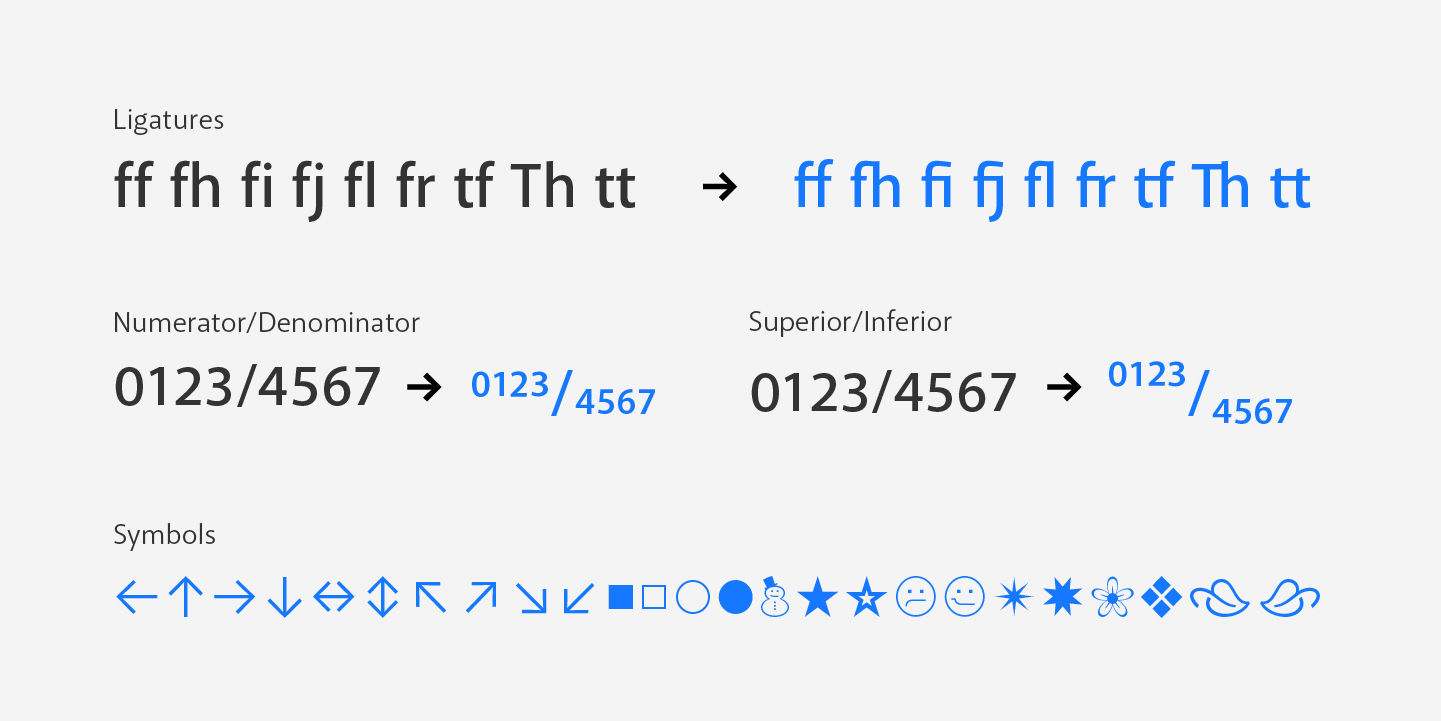
ffi ffl ff
Standard Ligaturesliga
ON
Th ffb ttf
Discretionary Ligaturesdlig
ON
&
Swashswsh
ON
Small Caps
Small Capssmcp
ON
& g
Stylistic Alternatessalt
ON
12345/67890
Fractionsfrac
ON
xn+3892
Superscriptsups
ON
H2NH4
Scientific Inferiorssinf
ON
1st 2nd 3rd
Ordinalsordn
ON
[H] H¡ H¿ -H-
Case-Sensitive Formscase
ON
0123456789
Oldstyle Numeralsonum
ON
0123456789
Tabular Numeralstnum
akagi-pro-poster-Akagi_Pro_panel6_20180217-4820dfee.jpg
akagi-pro-poster-Akagi_Pro_panel1_20180217-ed60a81b.jpg
akagi-pro-poster-Akagi_Pro_panel2_20180217-478affaa.jpg
akagi-pro-poster-Akagi_Pro_panel3_20180217-44bb5959.jpg
akagi-pro-poster-Akagi_Pro_panel4_20180217-d2a9082b.jpg
akagi-pro-poster-Akagi_Pro_panel5_20180217-a62e080d.jpg
akagi-pro-poster-Akagi_Pro_panel6_20180217-4820dfee.jpg
akagi-pro-poster-Akagi_Pro_panel1_20180217-ed60a81b.jpg
akagi-pro-poster-Akagi_Pro_panel2_20180217-478affaa.jpg
akagi-pro-poster-Akagi_Pro_panel3_20180217-44bb5959.jpg
akagi-pro-poster-Akagi_Pro_panel4_20180217-d2a9082b.jpg
akagi-pro-poster-Akagi_Pro_panel5_20180217-a62e080d.jpg
akagi-pro-poster-Akagi_Pro_panel6_20180217-4820dfee.jpg
akagi-pro-poster-Akagi_Pro_panel1_20180217-ed60a81b.jpg
Specimens
Thin72px
Volcano sleeps beneath the autumn forest
ExtraLight72px
Cold north wind is called Akagi oroshi
Light72px
Road climbs in slow turns toward the summit
Book72px
Hikers gather at the rim before the dawn
Medium72px
Mt Akagi rises above the Kanto Plain
SemiBold72px
Sacred mountain has drawn pilgrims for centuries
Bold72px
Three peaks stand together as the Jomo Sanzan
ExtraBold72px
Summit caldera holds the cold dark lake
Black72px
Lake Onuma fills the heart of the caldera
Ultra72px
Akagi Shrine sits beside the still waters
Fat72px
Snow rime forms across the trees in winter
SemiBold Italic48px
Mt Akagi rises above the northern edge of the Kanto Plain in Gunma Prefecture, a broad and gentle stratovolcano whose summit holds an elliptical caldera nearly four kilometers across. The mountain is no longer active; its last confirmed eruptions belong to deep prehistory. Yet its presence remains powerful in the surrounding landscape, visible from many of the prefectures that share the plain, a quiet sentinel watching over the country below.
Book Italic42px
At the heart of the caldera lies Lake Onuma, a clear mountain lake encircled by gentle peaks and quiet trails. In summer it is a place of hiking and rowing and slow afternoons on the shore. In winter the surface freezes thickly enough for ice fishing, and the local visitors come to draw small wakasagi smelt through holes drilled in the ice. The mountain holds two seasons in one place.
Light Italic36px
Mt Akagi is one of the three sacred peaks of Gunma, the Jomo Sanzan, standing alongside Mt Haruna and Mt Myogi. Together they form the spiritual backbone of the prefecture, each with its own shrine, its own legends, and its own loyal community of pilgrims and hikers. Local stories speak of the mountains as living deities whose ancient quarrels shaped the rivers and lakes of the surrounding country.
Medium18px
Mt Akagi is a dormant stratovolcano in Gunma Prefecture, rising to 1,828 meters at the peak known as Kurobi. The mountain takes its name from the Japanese for Red Castle, and it sits at the northern edge of the Kanto Plain, visible from much of the surrounding country on a clear day. It is one of the Three Mountains of Jomo, the celebrated trio of sacred peaks that also includes Mt Haruna and Mt Myogi, and it is counted among the One Hundred Famous Mountains of Japan. The geology of Akagi reaches back across hundreds of thousands of years. The mountain grew through long stages of eruption and collapse, building first one cone, then a second, then forming the broad summit caldera that defines the peak today. The last confirmed eruption belongs to prehistory, somewhere around thirty thousand years ago, though local records mention unusual activity during the ninth century. Within the caldera lie the lakes Onuma and Konuma, ringed by peaks and forest, fed by springs that have made this place sacred for as long as people have walked here. The cold winter winds that blow down from the slopes have a name of their own. They are called Akagi oroshi, and they sweep across the plain through the long months between autumn and spring. To the people who live in their path, the wind is a familiar presence, an old companion of the mountain itself, carrying with it the memory of high snow and quiet trees.
Book16px
Mt Akagi is a broad and gentle stratovolcano in Gunma Prefecture, rising to 1,828 meters above the northern Kanto Plain. The mountain has been considered sacred for centuries, drawing monks and pilgrims long before it became a destination for modern hikers, photographers, and visitors from Tokyo seeking quiet country within reach of the capital. Akagi is one of the Three Mountains of Jomo, sharing that distinction with Mt Haruna and Mt Myogi, and it is included among the celebrated One Hundred Famous Mountains of Japan. The shape of the mountain reflects its long volcanic history. Hundreds of thousands of years of eruption and collapse have produced the broad summit caldera that defines the peak today, an elliptical basin nearly four kilometers across, holding the still waters of Lake Onuma and the smaller Lake Konuma at its eastern edge. Around the lakes rise a constellation of peaks, of which Kurobi is the highest. The forest covering the slopes turns brilliant in autumn, drawing visitors from across the region to walk the trails that radiate out from the lake. Akagi has long been a presence in the cultural imagination of Japan as well. The cold winter wind that descends from the mountain across the Kanto Plain has its own name, Akagi oroshi, and is part of the long memory of the people who live in its shadow. The Imperial Japanese Navy named one of its most famous warships after the mountain, the aircraft carrier Akagi that served as the flagship of the strike force at Pearl Harbor and was lost at the Battle of Midway in 1942. In more recent decades the mountain has gained an unexpected second life through the racing manga and anime series Initial D, whose drift battles unfold along the prefectural roads that wind up the mountainside, and whose fictional racing team takes its name from these slopes. For those who climb Akagi today, none of this is necessary to enjoy the place. The trails are well kept, the lake is clear, the shrines are quiet, and the views from the higher peaks reach back across the plain toward Tokyo on a fine day. The mountain offers what mountains have always offered, a chance to step out of the rush of the lower country and into a slower air, where the trees and the water and the high silence still hold their old authority.
Description
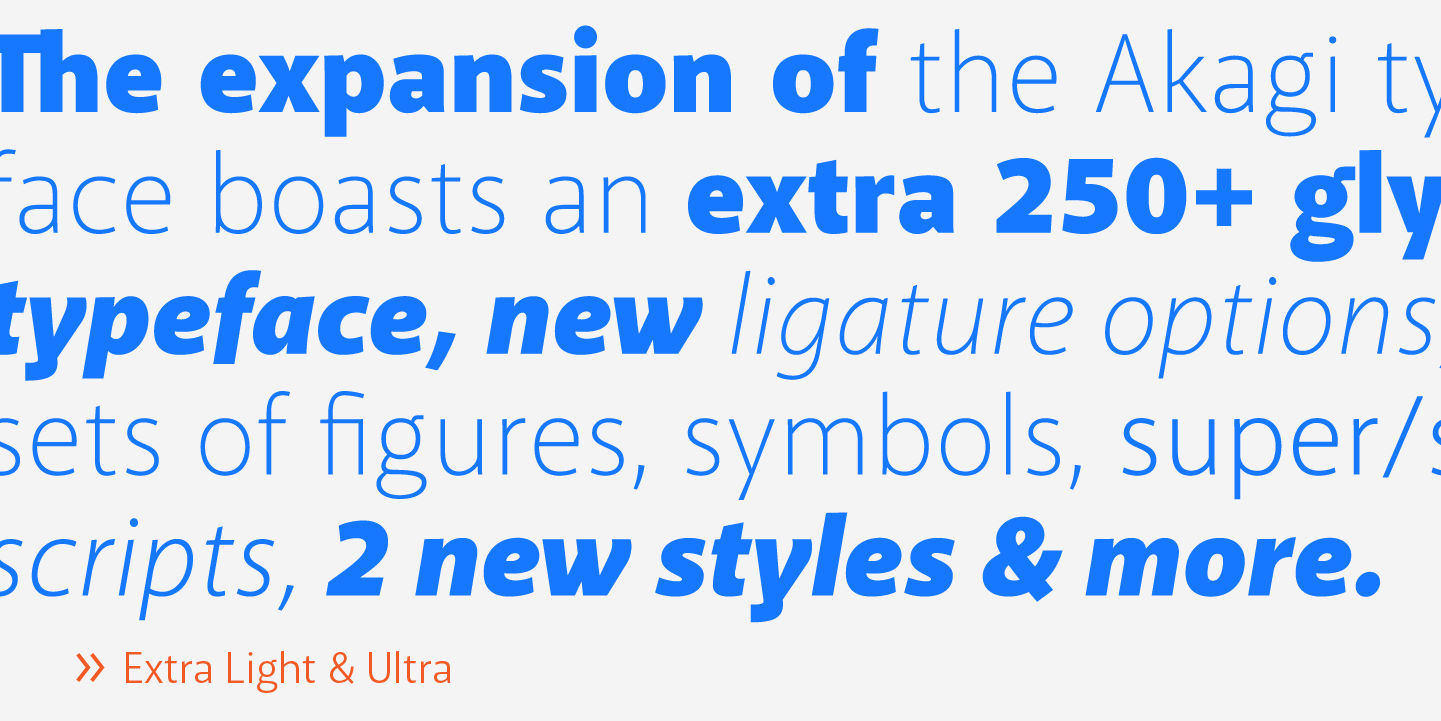
Akagi Pro is a complete rebuild and expansion of my popular Akagi typeface. Contemporary, clean, simple and friendly continue to serve as the adjectives for an expansion that includes 250+ additional characters per weight, many new ligature options, expanded stylistic alternates, 4 sets of figures, new symbols, case-sensitive punctuation, superscripts, subscripts, ordinals, expanded language support and two new styles that provide even more flexibility within the lighter weights of the family. When I designed Akagi in 2007, I wanted this new sans serif to “smile” at you — with this new expansion, I hope you smile back.

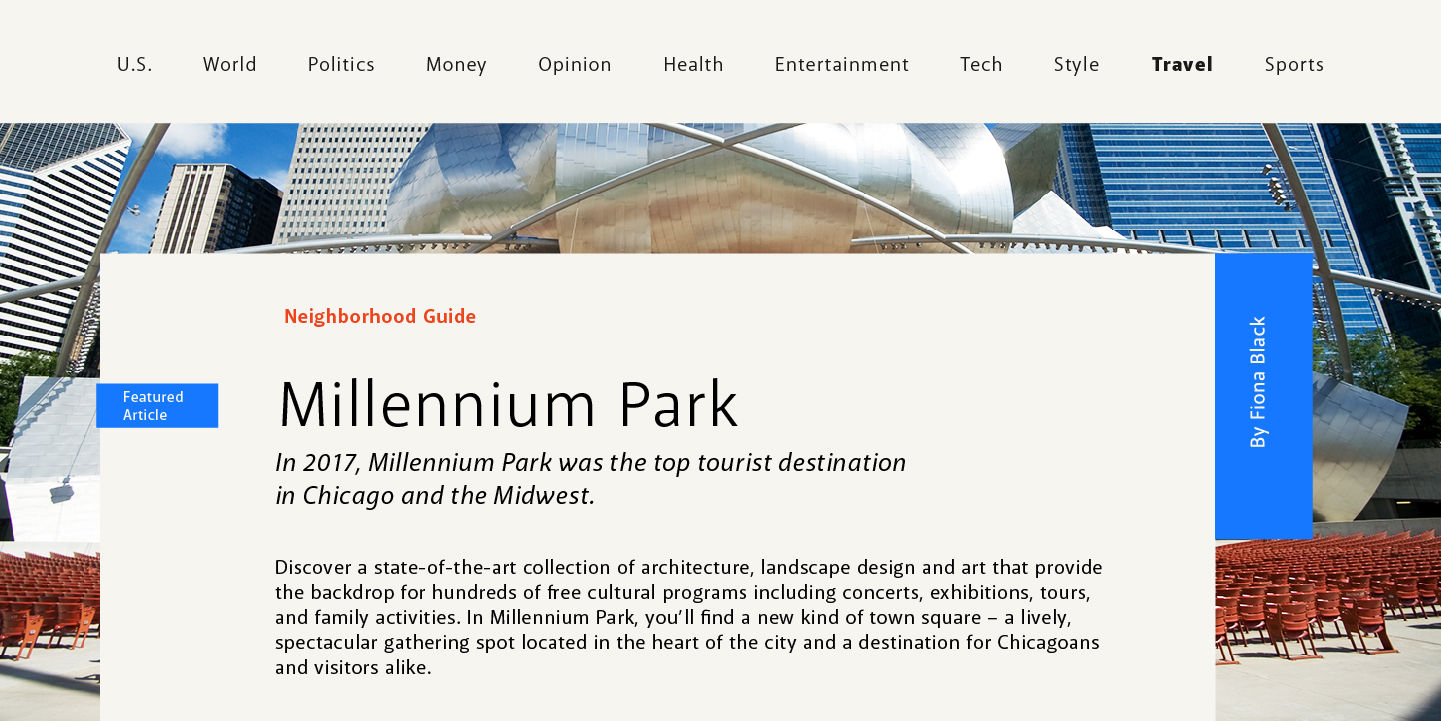
Akagi Pro is economical while keeping a distinctive, expressive personality on the page that distinguishes it from among many of the mechanical/rigid/emotionless sans out there without becoming cliché. Perfect for the page and the screen, the flexible weights available allow for pinpoint selection at whatever size.

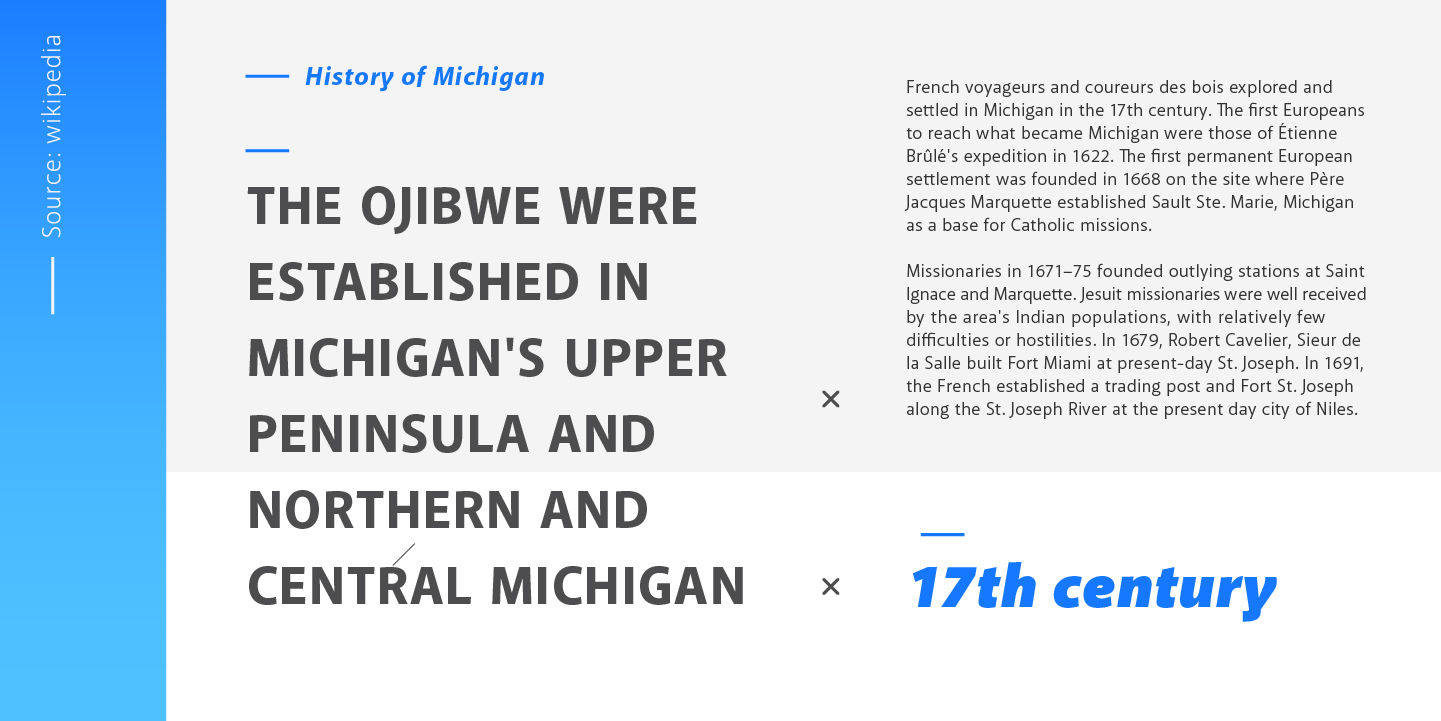
Each style of Akagi Pro has a robust character set made even more functional with expansive OpenType features. A typesetter’s dream — case-sensitive punctuation, tabular and proportional variants of lining and oldstyle numerals, true italics, small caps, expansive language support, an alternate ‘g’ and ‘y’, highlight a wealth of features of the typeface. This versatility infused within Akagi Pro will allow it to assume both roles of the utilitarian workhorse and light-hearted go-to typeface — and make the user happy.
Supported Languages
313 Supported Languages
ACZAcheron
ACEAchinese
ACHAcholi
AARAfar
AFRAfrikaans
AINAinu
GAHAlekano
ALEAleut
ALQAlgonquin
AMCAmahuaca
AMRAmarakaeri
AMIAmis
ANWAnaang
DGLAndaandi
AUDAnuta
NJOAo Naga
ARGAragonese
AAEArbëreshë Albanian
AATArvanitika Albanian
CNIAsháninka
PRQAshéninka Perené
AIIAssyrian Neo-Aramaic
ASAAsu
BANBalinese
BJNBanjar
BFABari
BAKBashkir
EUSBasque
BTDBatak Dairi
BTXBatak Karo
BTMBatak Mandailing
BTSBatak Simalungun
BBCBatak Toba
BELBelarusian
BEMBemba
BEZBena
BIKBikol
BISBislama
GAXBorana-Arsi-Guji Oromo
BOSBosnian
BREBreton
BUGBuginese
CBUCandoshi-Shapra
COTCaquinte
HNSCaribbean Hindustani
CBRCashibo-Cacataibo
CATCatalan
CEBCebuano
AYRCentral Aymara
CKBCentral Kurdish
CBIChachi
CHAChamorro
CBKChavacano
CICChickasaw
CGGChiga
CSAChiltepec Chinantec
CJKChokwe
CHKChuukese
CIMCimbrian
CONCofán
SWCCongo Swahili
CORCornish
COSCorsican
MUSCreek
CRHCrimean Tatar
HRVCroatian
DANDanish
DHVDehu
NLDDutch
AAQEastern Abnaki
AEREastern Arrernte
HAEEastern Oromo
EBUEmbu
ENGEnglish
ESEEse Ejja
EPOEsperanto
FAOFaroese
FIJFijian
FILFilipino
FINFinnish
FRAFrench
FURFriulian
GQAGa'anda
GLGGalician
GANGan Chinese
LUGGanda
CABGarifuna
DEUGerman
ALNGheg Albanian
GILGilbertese
GNIGooniyandi
GUXGourmanchéma
GCFGuadeloupean Creole French
GUZGusii
HATHaitian
HNIHani
HILHiligaynon
WINHo-Chunk
HOPHopi
HUSHuastec
ISLIcelandic
IDOIdo
ILOIloko
SMNInari Sami
INDIndonesian
IGSInterglossa
INAInterlingua
ILEInterlingue
GLEIrish
ITAItalian
MZIIxcatlán Mazatec
JAMJamaican Creole English
JPNJapanese
JAVJavanese
DYOJola-Fonyi
QUCK'iche'
KEAKabuverdianu
MWPKala Lagaw Ya
KALKalaallisut
KLNKalenjin
KAMKamba
KQNKaonde
KRLKarelian
CSBKashubian
KEKKekchí
XNZKenzi
KHAKhasi
KIKKikuyu
KMBKimbundu
KINKinyarwanda
KTUKituba
KONKongo
KOOKonzo
KUAKuanyama
FKVKven Finnish
KSHKölsch
LLDLadin
LADLadino
LTGLatgalian
LATLatin
LIJLigurian
LITLithuanian
LMOLombard
NDSLow German
DSBLower Sorbian
LUALuba-Lulua
SMJLule Sami
LUOLuo
LTZLuxembourgish
VMWMakhuwa
MGHMakhuwa-Meetto
KDEMakonde
YMKMakwe
MLGMalagasy
ZLMMalay
MLTMaltese
MNKMandinka
MFVMandjak
KNFMankanya
GLVManx
SWBMaore Comorian
MRIMaori
ARNMapudungun
MCFMatsés
ULKMeriam Mir
MERMeru
OTEMezquital Otomi
XRGMinang
MINMinangkabau
MWLMirandese
MOHMohawk
CNRMontenegrin
MFEMorisyen
UMUMunsee
MWFMurrinh-Patha
WMWMwani
MIQMískito
NAGNaga Pidgin
NDONdonga
NAPNeapolitan
ZDJNgazidja Comorian
NIUNiuean
FIANobiin
NOTNomatsiguenga
NDENorth Ndebele
KMRNorthern Kurdish
HEANorthern Qiandong Miao
SMENorthern Sami
UZNNorthern Uzbek
OJBNorthwestern Ojibwa
NORNorwegian
NOVNovial
NYANyanja
NYNNyankole
OCIOccitan
CHJOjitlán Chinantec
ORCOrma
ORHOroqen
OSSOssetian
PAUPalauan
PLZPaluan
PAMPampanga
TOPPapantla Totonac
PAPPapiamento
NSOPedi
PCDPicard
CPUPichis Ashéninka
PMSPiemontese
PISPijin
PIUPintupi-Luritja
PPLPipil
PONPohnpeian
POLPolish
PORPortuguese
POTPotawatomi
TSZPurepecha
QUEQuechua
RARRarotongan
ROHRomansh
ROORotokas
RUNRundi
RWKRwa
SAQSamburu
SMOSamoan
SAGSango
SBPSangu
SRMSaramaccan
SRDSardinian
SCOScots
GLAScottish Gaelic
SEYSecoya
SEHSena
SRPSerbian
SEISeri
CRSSeselwa Creole French
KSBShambala
SJWShawnee
SHPShipibo-Conibo
SNAShona
SCNSicilian
SZLSilesian
SLKSlovak
SLVSlovenian
XOGSoga
SOMSomali
SNKSoninke
NBLSouth Ndebele
AYCSouthern Aymara
HMSSouthern Qiandong Miao
SMASouthern Sami
SOTSouthern Sotho
SPASpanish
SRNSranan Tongo
EKKStandard Estonian
LVSStandard Latvian
ZSMStandard Malay
SUNSundanese
SWHSwahili
SSWSwati
SWESwedish
GSWSwiss German
TGLTagalog
TAHTahitian
DAVTaita
CTDTedim Chin
TEOTeso
TETTetum
TDTTetun Dili
TIVTiv
TPITok Pisin
TKLTokelau
TOKToki Pona
TONTonga
TOITonga
ALSTosk Albanian
MTOTotontepec Mixe
TSOTsonga
TSNTswana
TUMTumbuka
TURTurkish
TUKTurkmen
TZHTzeltal
TZOTzotzil
AOZUab Meto
UIGUighur
SJUUme Sami
POVUpper Guinea Crioulo
HSBUpper Sorbian
VECVenetian
VEPVeps
VOLVolapük
VROVõro
WLNWalloon
WAEWalser
WYBWangaaybuwan-Ngiyambaa
WARWaray
WBPWarlpiri
GUCWayuu
CYMWelsh
GAZWest Central Oromo
ABEWestern Abnaki
FRYWestern Frisian
WIMWik-Mungkan
WRHWiradjuri
WOLWolof
XHOXhosa
AMEYanesha'
YAOYao
YAPYapese
YIJYindjibarndi
YUAYucateco
ZULZulu
ZROZáparo
Language support is predicted based on codepoint coverage and not guaranteed to be accurate.
Glyphs
SemiBold
U+0041 / A
Outlines
683CH
490XH
0BL
Latin Uppercase26
A
B
C
D
E
F
G
H
I
J
K
L
M
N
O
P
Q
R
S
T
U
V
W
X
Y
Z
Latin Lowercase26
a
b
c
d
e
f
g
h
i
j
k
l
m
n
o
p
q
r
s
t
u
v
w
x
y
z
Latin Uppercase Accented102
À
Á
Â
Ã
Ä
Å
Ā
Ă
Ą
Ǻ
Æ
Ǽ
Ç
Ć
Ĉ
Ċ
Č
Ď
Đ
Ð
È
É
Ê
Ë
Ē
Ĕ
Ė
Ę
Ě
Ĝ
Ğ
Ġ
Ģ
Ĥ
Ħ
Ì
Í
Î
Ï
Ĩ
Ī
Ĭ
Į
İ
IJ
Ĵ
Ķ
Ĺ
Ļ
Ľ
Ł
Ŀ
Ñ
Ń
Ņ
Ň
Ŋ
Ò
Ó
Ô
Õ
Ö
Ō
Ŏ
Ő
Ø
Ǿ
Œ
Ŕ
Ŗ
Ř
Ś
Ŝ
Ş
Š
Ș
Ţ
Ť
Ŧ
Ù
Ú
Û
Ü
Ũ
Ū
Ŭ
Ů
Ű
Ų
Ŵ
Ý
Ŷ
Ÿ
Ź
Ż
Ž
Þ
Latin Lowercase Accented105
à
á
â
ã
ä
å
ā
ă
ą
ǻ
æ
ǽ
ç
ć
ĉ
ċ
č
ď
đ
ð
è
é
ê
ë
ē
ĕ
ė
ę
ě
ƒ
ĝ
ğ
ġ
ģ
ĥ
ħ
ì
í
î
ï
ĩ
ī
ĭ
į
ı
ij
ĵ
ȷ
ķ
ĺ
ļ
ľ
ł
ŀ
ñ
ń
ņ
ň
ŋ
ò
ó
ô
õ
ö
ō
ŏ
ő
ø
ǿ
œ
ĸ
ŕ
ŗ
ř
ś
ŝ
ş
š
ș
ß
ţ
ť
ŧ
ù
ú
û
ü
ũ
ū
ŭ
ů
ű
ų
ŵ
ý
ÿ
ŷ
ź
ż
ž
þ
Numerals10
0
1
2
3
4
5
6
7
8
9
Currency6
$
¢
£
¤
¥
Fractions3
¼
½
¾
Punctuation & Symbols74
!
"
#
%
&
'
(
)
*
+
,
-
.
/
:
;
<
=
>
?
@
[
\
]
^
_
`
{
|
}
~
¡
¦
§
©
ª
«
¬
®
°
±
²
³
µ
·
¹
º
»
¿
Mathematical Symbols24
×
÷
Superscript & Subscript25
Geometric Shapes & Misc22
Greek Lowercase1
π
CJK Punctuation & Symbols2
Alternates8
Oldstyle Figures36
Ordinals50
Scientific Inferiors33
Subscript Alternates23
Superscript Alternates29
Swashes1
This typeface contains a total of 611 glyphs
Hi! Positype uses essential cookies to keep checkout and your session working, and, with your permission, Google Analytics to understand how the site is used. Essential cookies are always on; analytics is your choice.