Subscribe Now
Lust Text
Designer:Neil Summerour
Engineer:Potch Auacherdkul
Initial Release:2020
Styles:10
Available Writing Systems
Available Styles
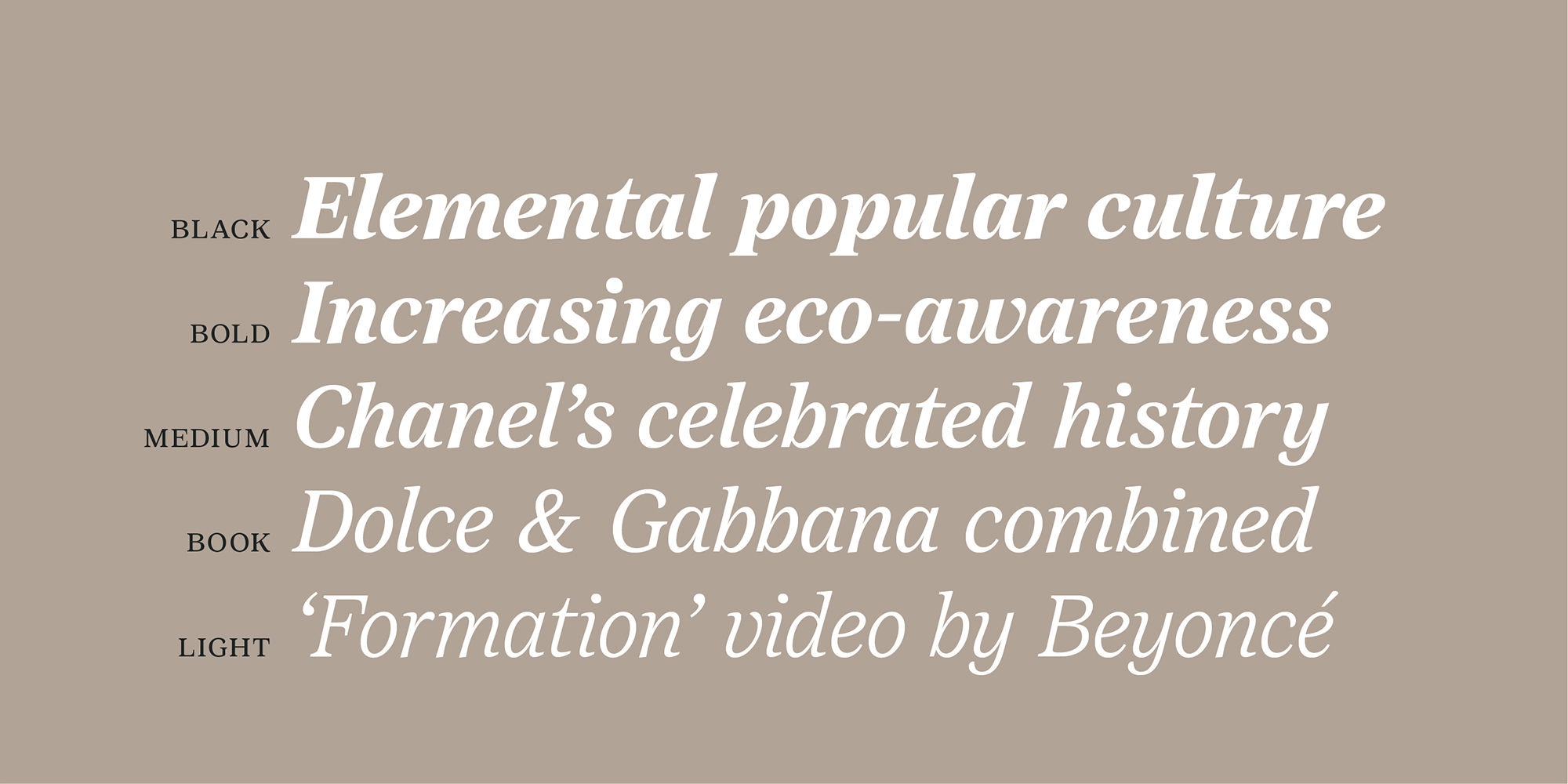
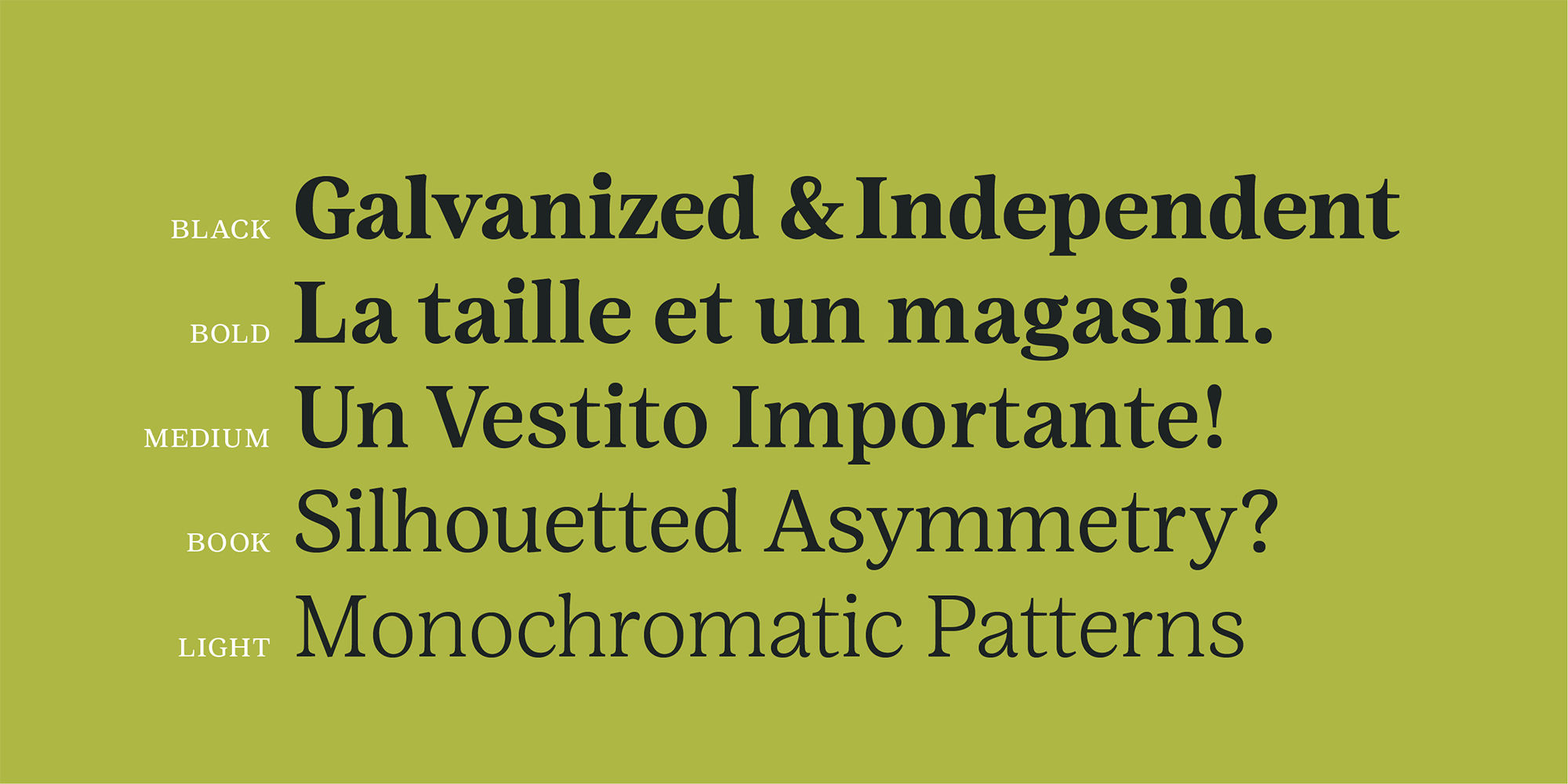
LightLight ItalicBookItalicMediumMedium ItalicBoldBold ItalicBlackBlack Italic
OpenType Features
ON
fi fl
Standard Ligaturesliga
ON
Small Caps
Small Capssmcp
ON
12345/67890
Fractionsfrac
ON
x2 y34 z8
Superscriptsups
ON
H2O K2Cl4
Scientific Inferiorssinf
ON
2nd 3rd 4th
Ordinalsordn
ON
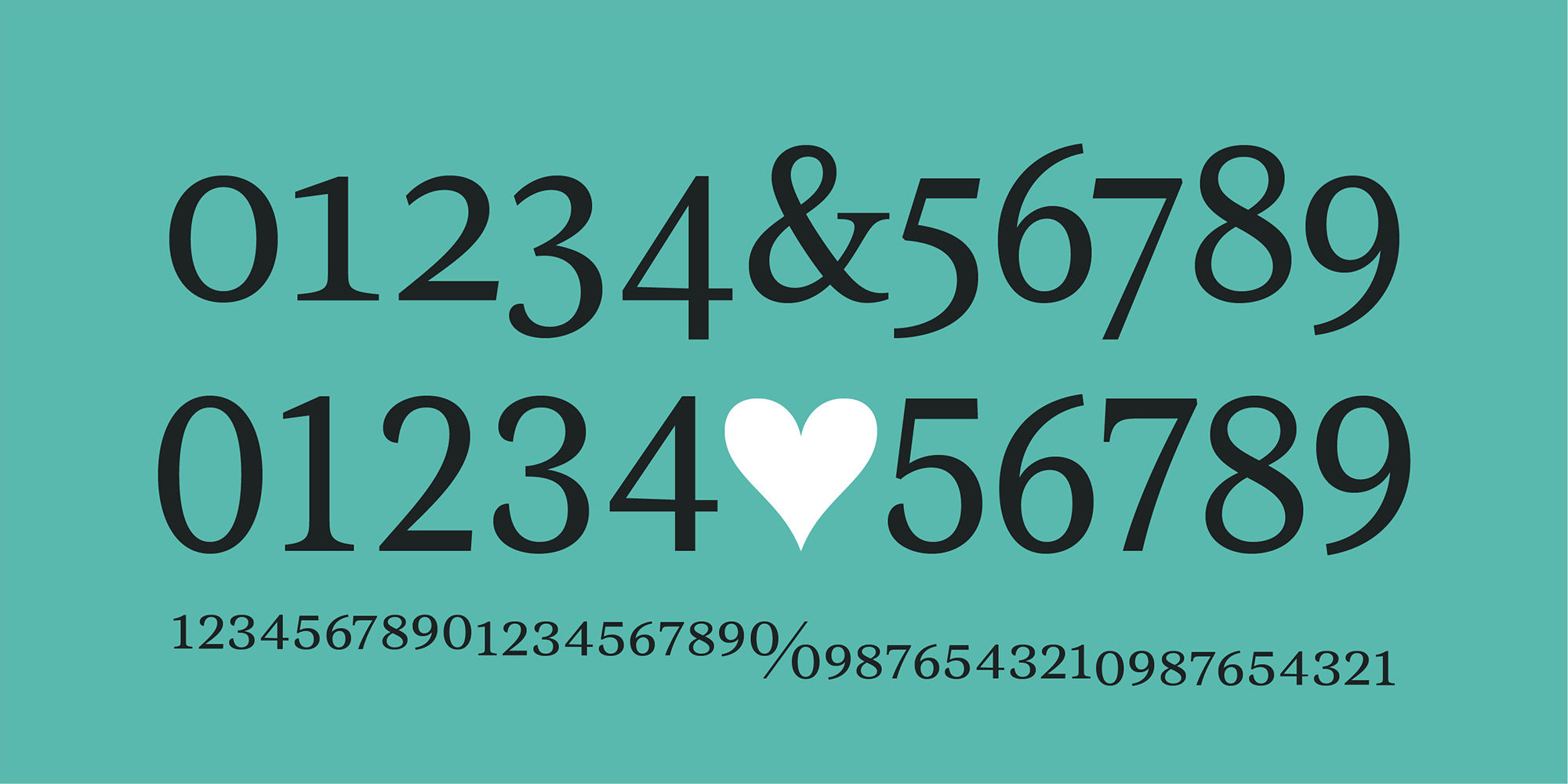
0123456789
Oldstyle Numeralsonum
ON
12345
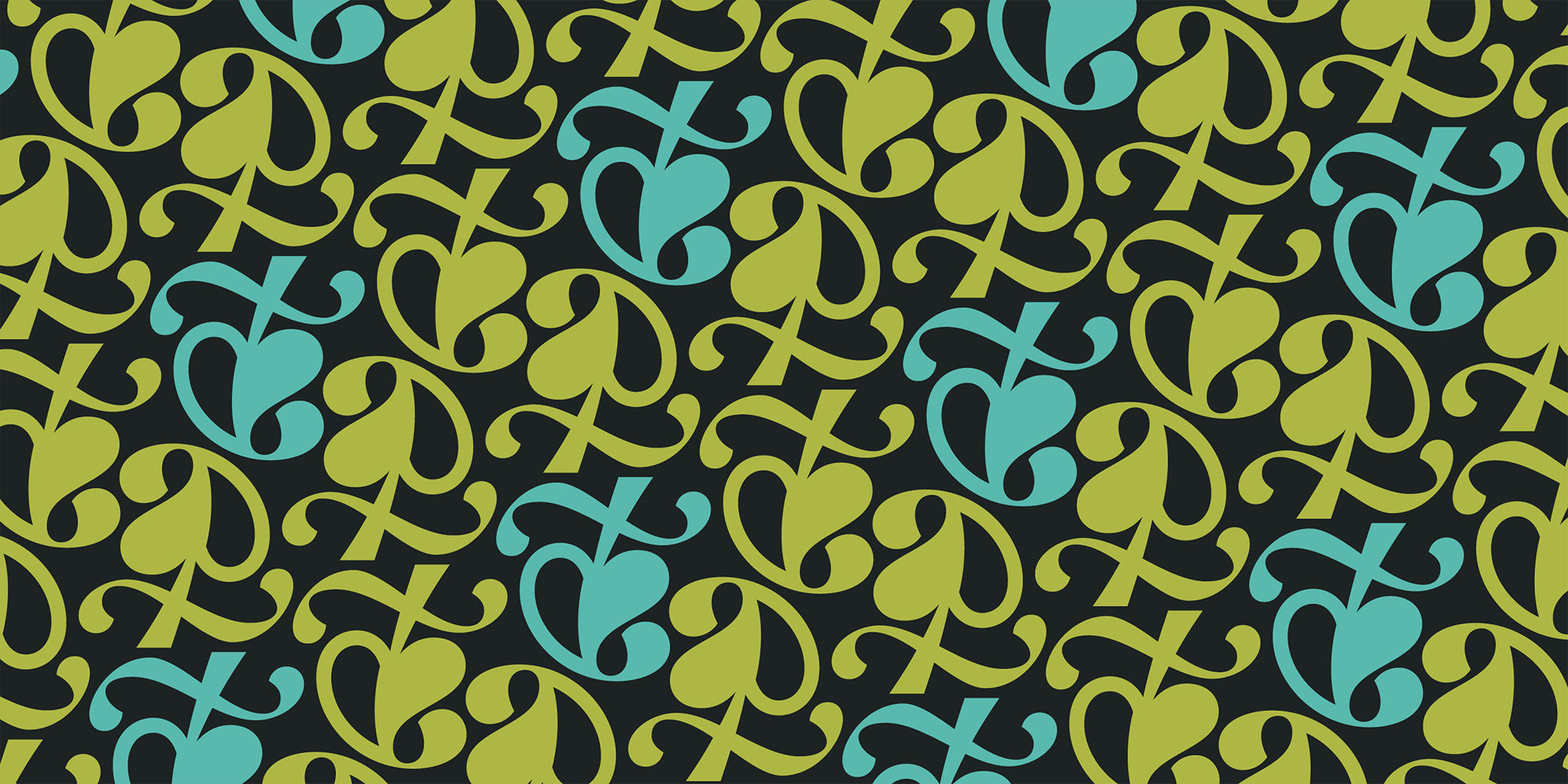
Stylistic Set 1ss01
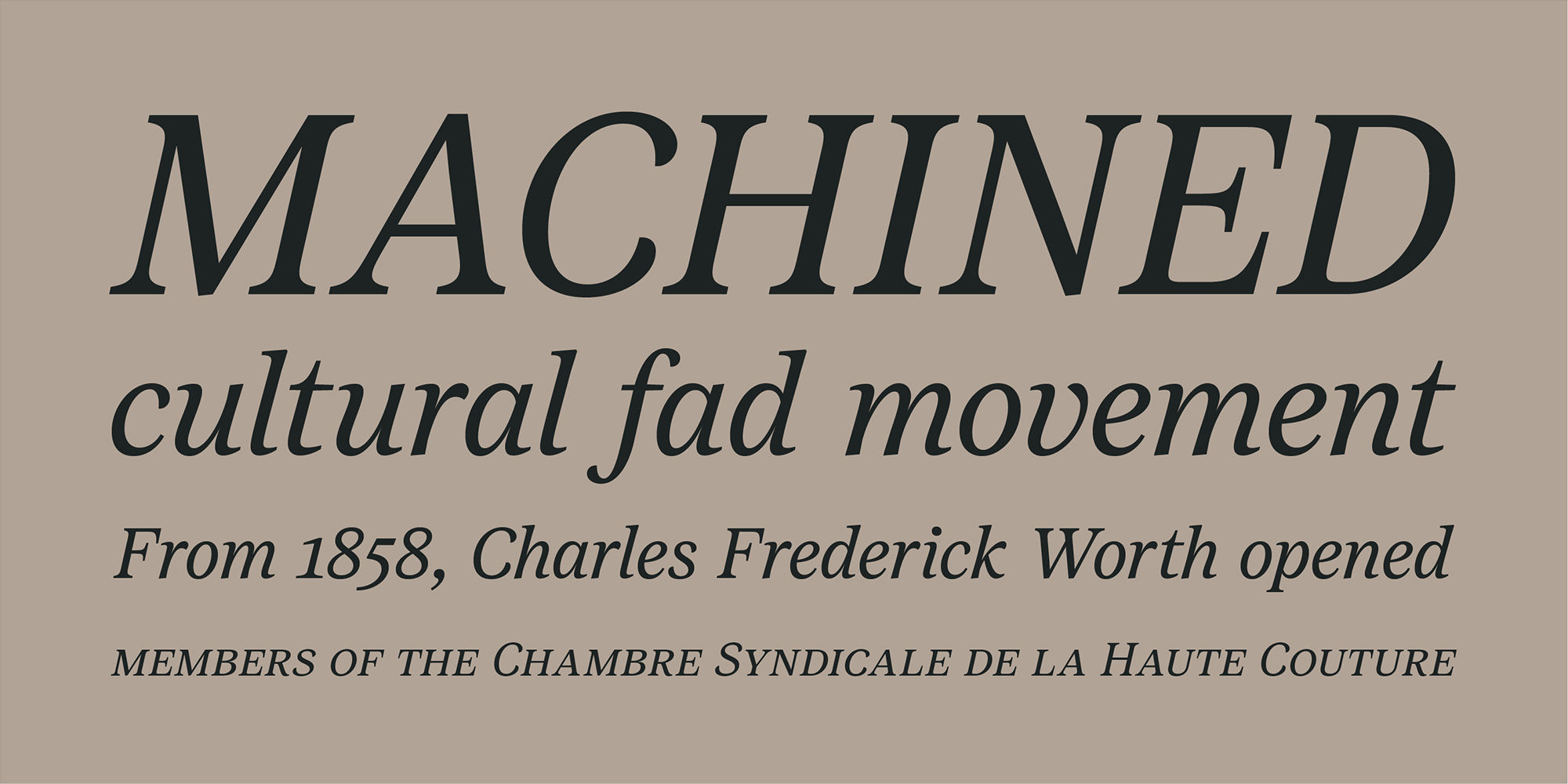
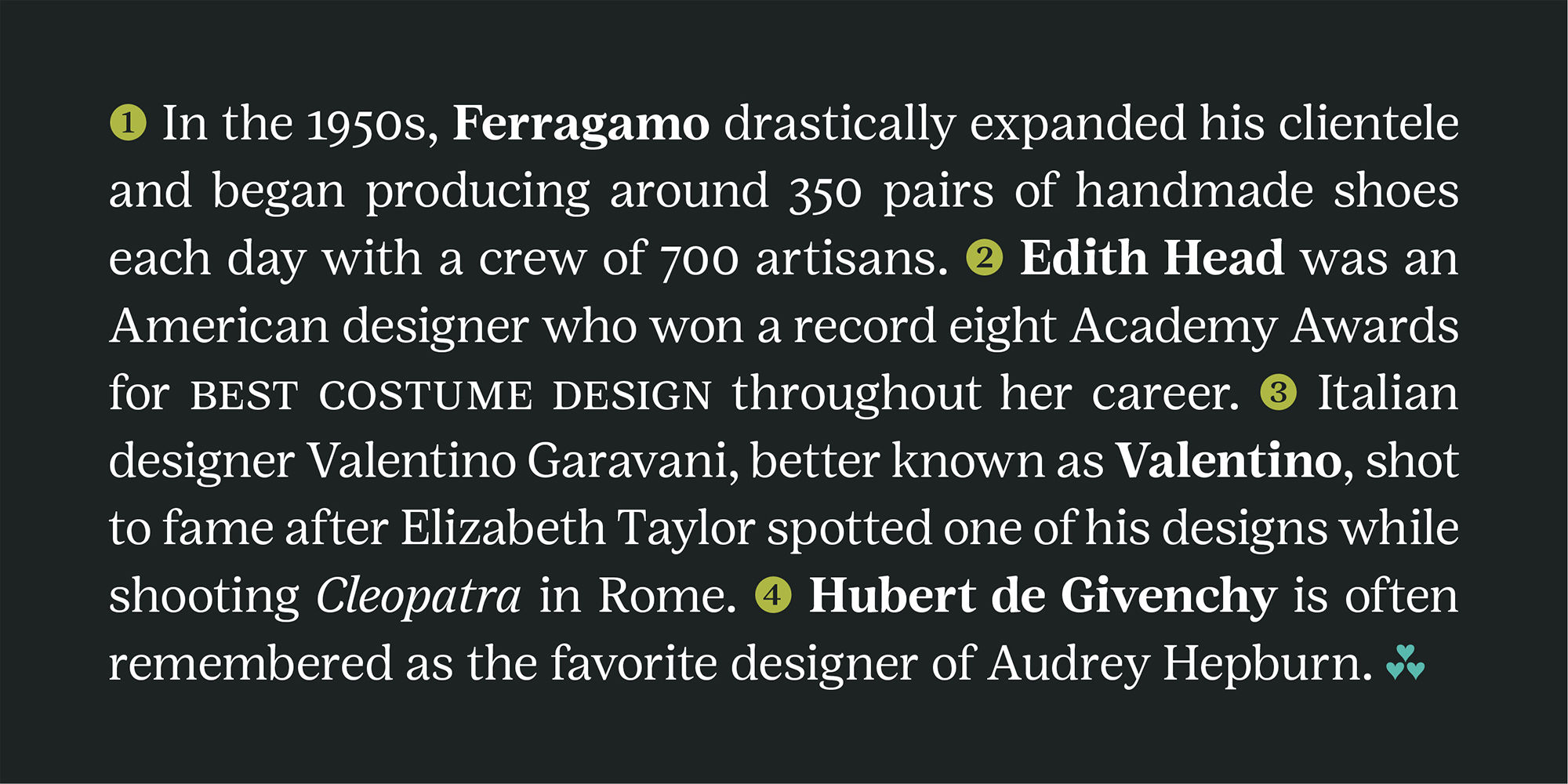
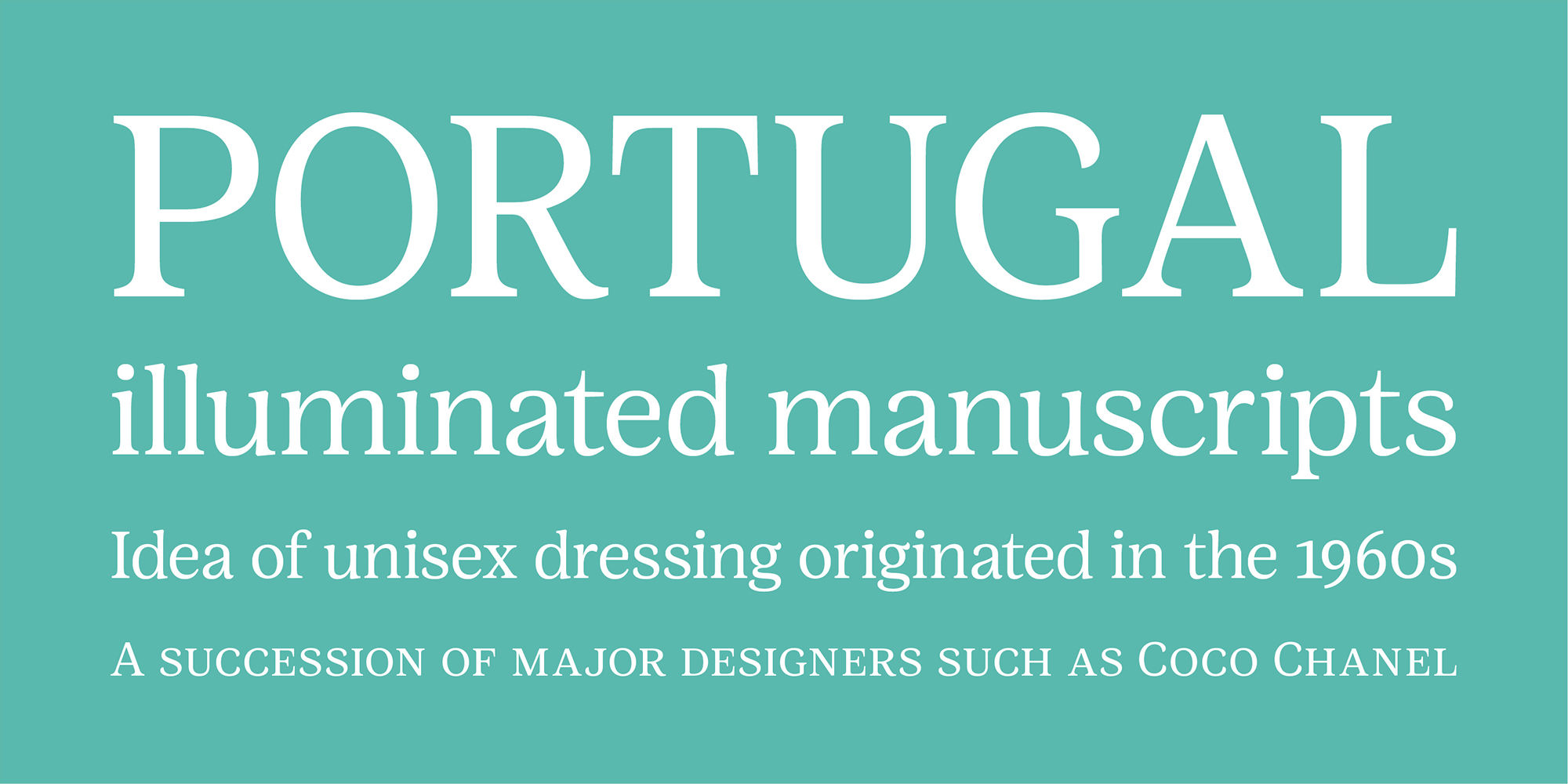
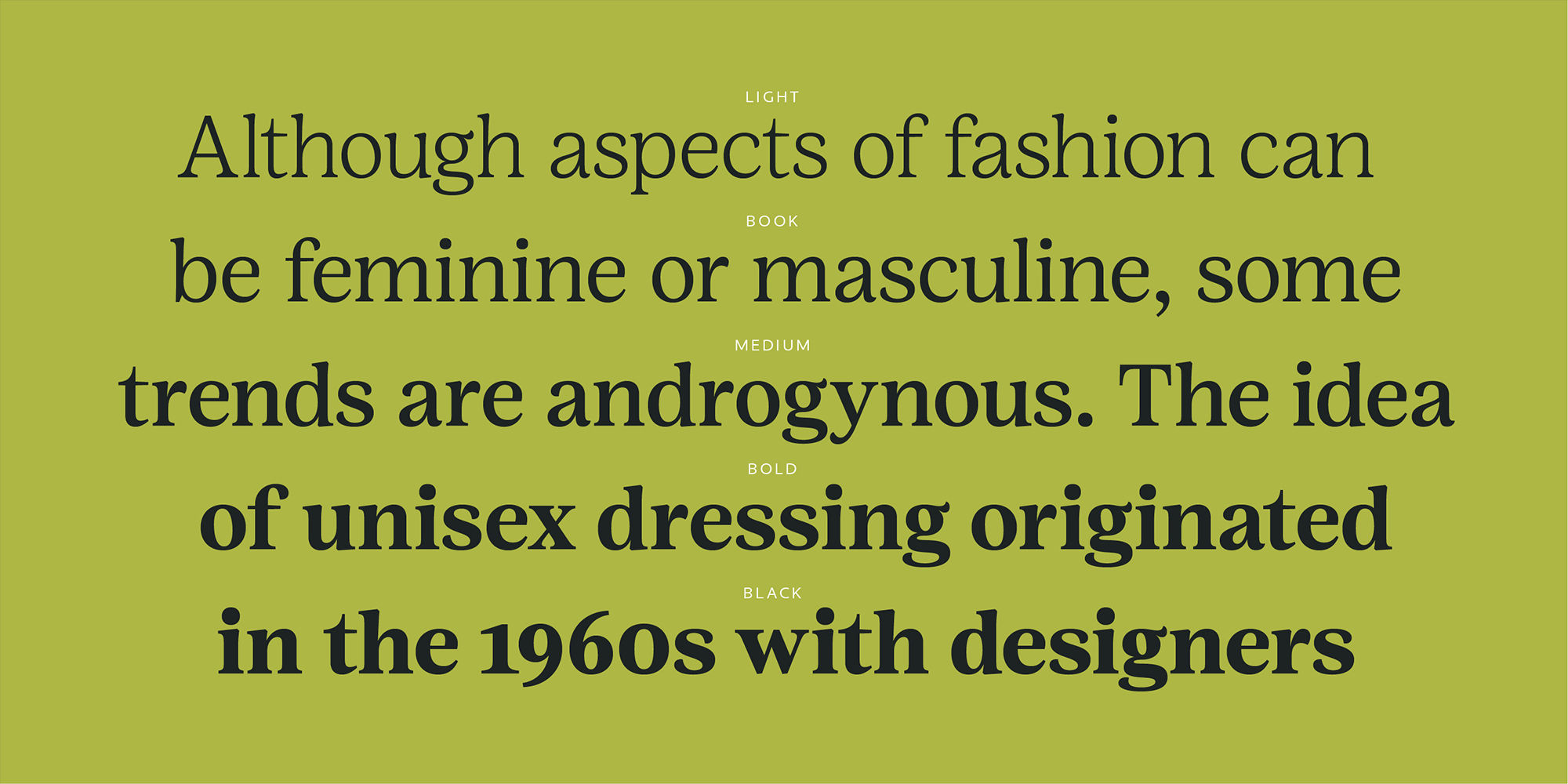
Specimens
Light72px
Japanese minimalist design
Book72px
Worldwide fashion economy
Medium72px
Globalized design culture
Bold72px
Emerging fashion capitals
Black72px
French atelier traditions
Light Italic50px
Italic50px
Medium Italic50px
Light21px
Book16px
Description
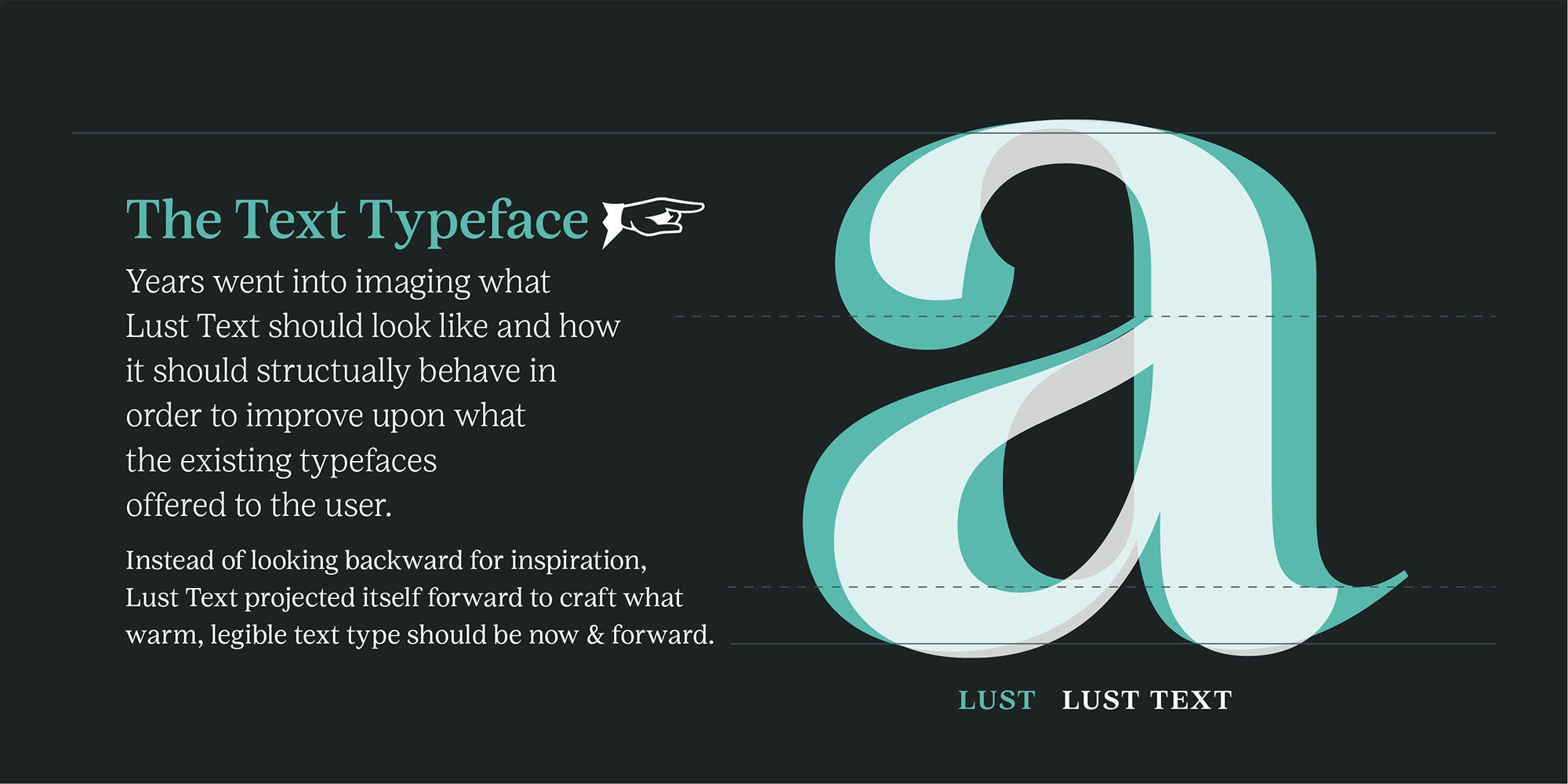
Yes, finally. This one took the most time and the most restarting. Years went into imagining what Lust Text should look like and how it should structurally behave in order to truly improve upon a setting that includes any of the Lust typefaces. I approached it as much from the side of the type designer, as I did a potential user. The flow, the warmth, the personality needed to be there, but all of the excess had to be removed responsibly. In the process, and in need of inspiration, I looked backward to historical artifacts and precedent. In each early Lust Text approach, the solution was lackluster and/or vanilla and not actually a ‘Lust’ typeface. The exercise was not in vain though. By exploring past examples, I found my footing drawing for media now and how it might be used later—all the while, producing seamless, elegant curves and restrained indulgence (that sounds almost silly to say, but I like it).
The Lust Collection is the culmination of 5 years of exploration and development, and I am very excited to share it with everyone. When the original Lust was first conceived in 2010 and released a year and half later, I had planned for a Script and a Sans to accompany it. The Script was released about a year later, but I paused the Sans. The primary reason was the amount of feedback and requests I was receiving for alternate versions, expansions, and ‘hey, have you considered making?’ and so on. I listen to my customers and what they are needing… and besides, I was stalling with the Sans. Like Optima and other earlier high-contrast sans, they are difficult to deliver responsibly without suffering from ill-conceived excess or timidity. The new Lust Collection aggregates all of that past customer feedback and distills it into 6 separate families, each adhering to the original Lust precept of exercises in indulgence and each based in large part on the original 2010 exemplars produced for Lust. I just hate that it took so long to deliver, but better right, than rushed, I imagine.
Supported Languages
Glyphs
U+0041 / A
Outlines
▼Latin Uppercase26
▼Latin Lowercase26
▼Latin Uppercase Accented87
▼Latin Lowercase Accented87
▼Numerals10
▼Currency6
▼Fractions3
▼Punctuation & Symbols67
▼Mathematical Symbols18
▼Superscript & Subscript17
▼Geometric Shapes & Misc17
▼Denominators10
▼Standard Ligatures2
▼Numerators10
▼Ordinals10
▼Stylistic Set 0110
This typeface contains a total of 418 glyphs
Hi! Positype uses essential cookies to keep checkout and your session working, and, with your permission, Google Analytics to understand how the site is used. Essential cookies are always on; analytics is your choice.