Subscribe Now
Ordinary
Designer:Neil Summerour
Initial Release:2022
Styles:16
Available Writing Systems
Available Styles
ThinThin ItalicLightLight ItalicRegularItalicMediumMedium ItalicSemiBoldSemiBold ItalicBoldBold ItalicBlackBlack ItalicUltraUltra Italic
OpenType Features
ON
fi fl
Standard Ligaturesliga
ON
Small Caps
Small Capssmcp
ON
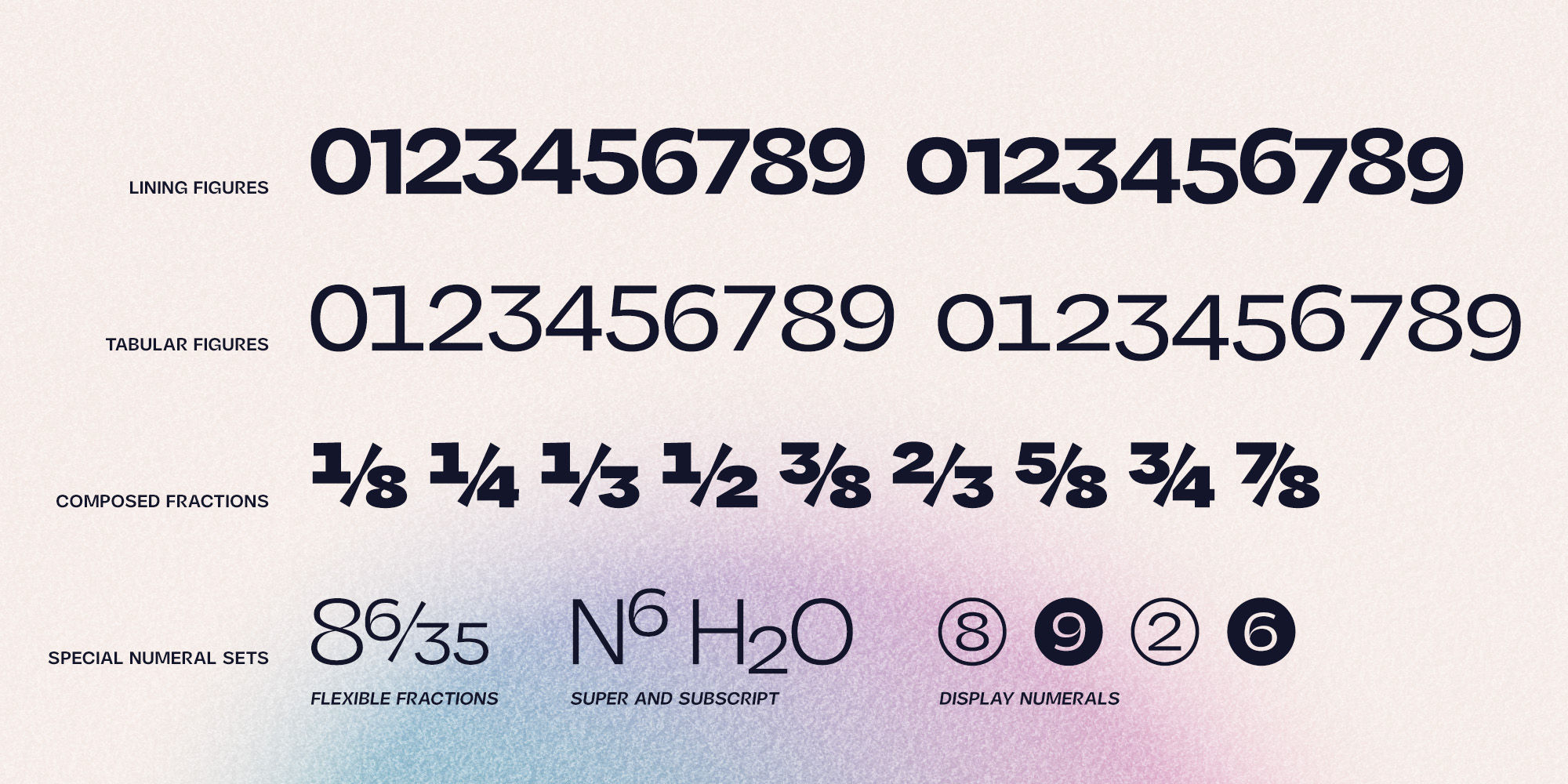
12345/67890
Fractionsfrac
ON
x12+y38=z5
Superscriptsups
ON
H6CH4KCl3
Scientific Inferiorssinf
ON
1st 2nd 3rd
Ordinalsordn
ON
[H] ¿H ¡H H@
Case-Sensitive Formscase
ON
0123456789
Oldstyle Numeralsonum
ON
0123456789
Tabular Numeralstnum
ON
a g y
Stylistic Set 1ss01
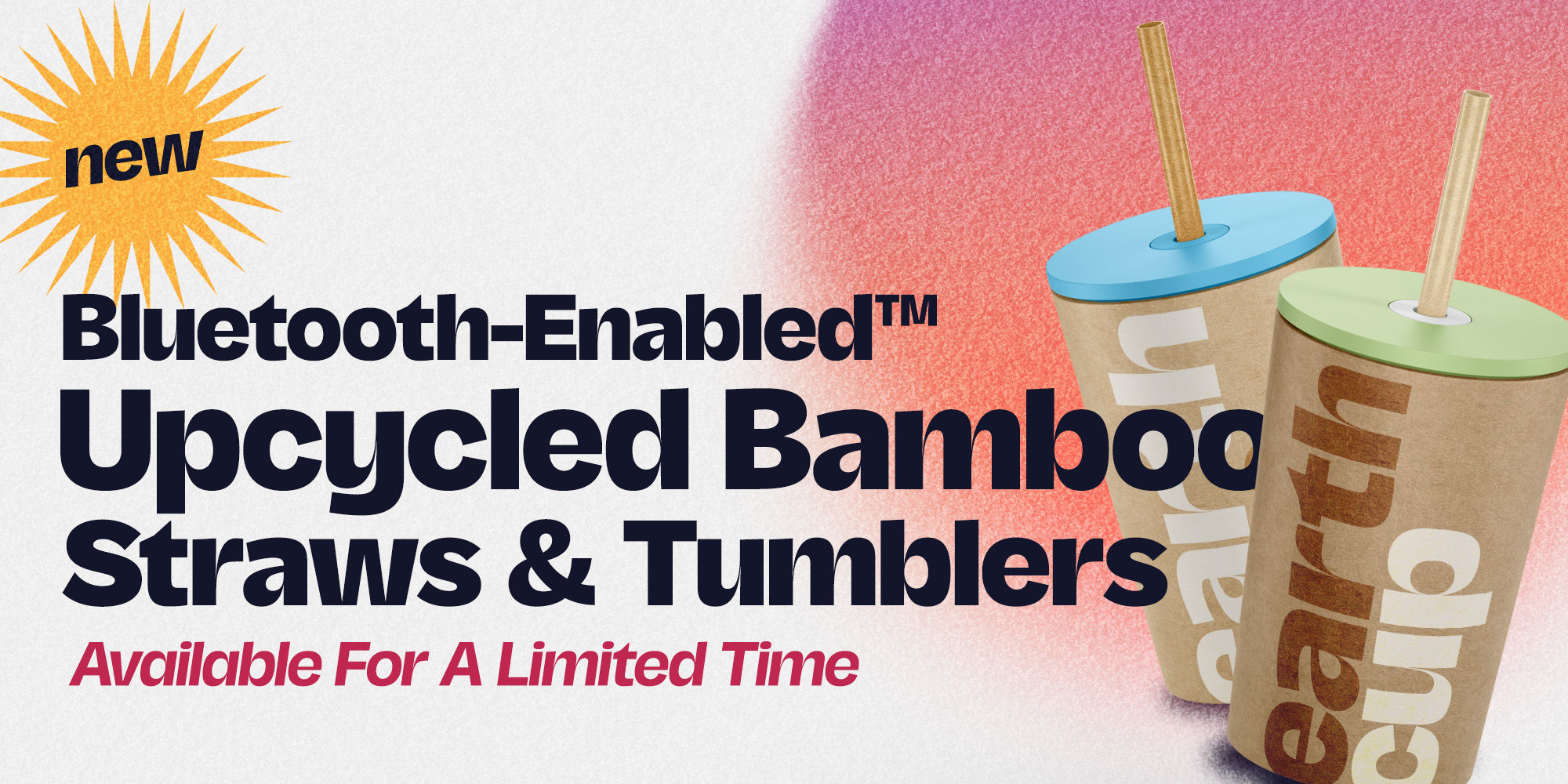
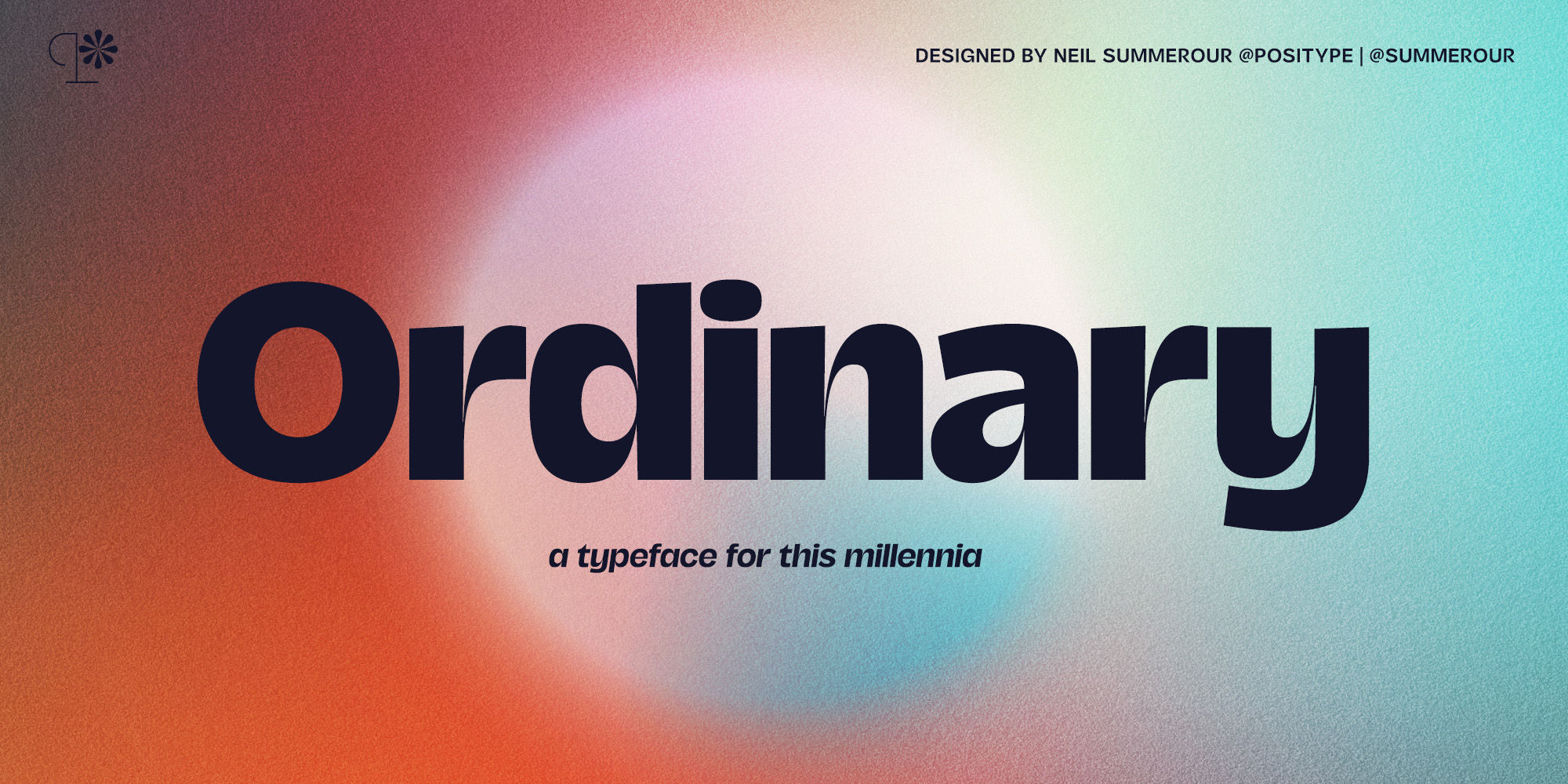
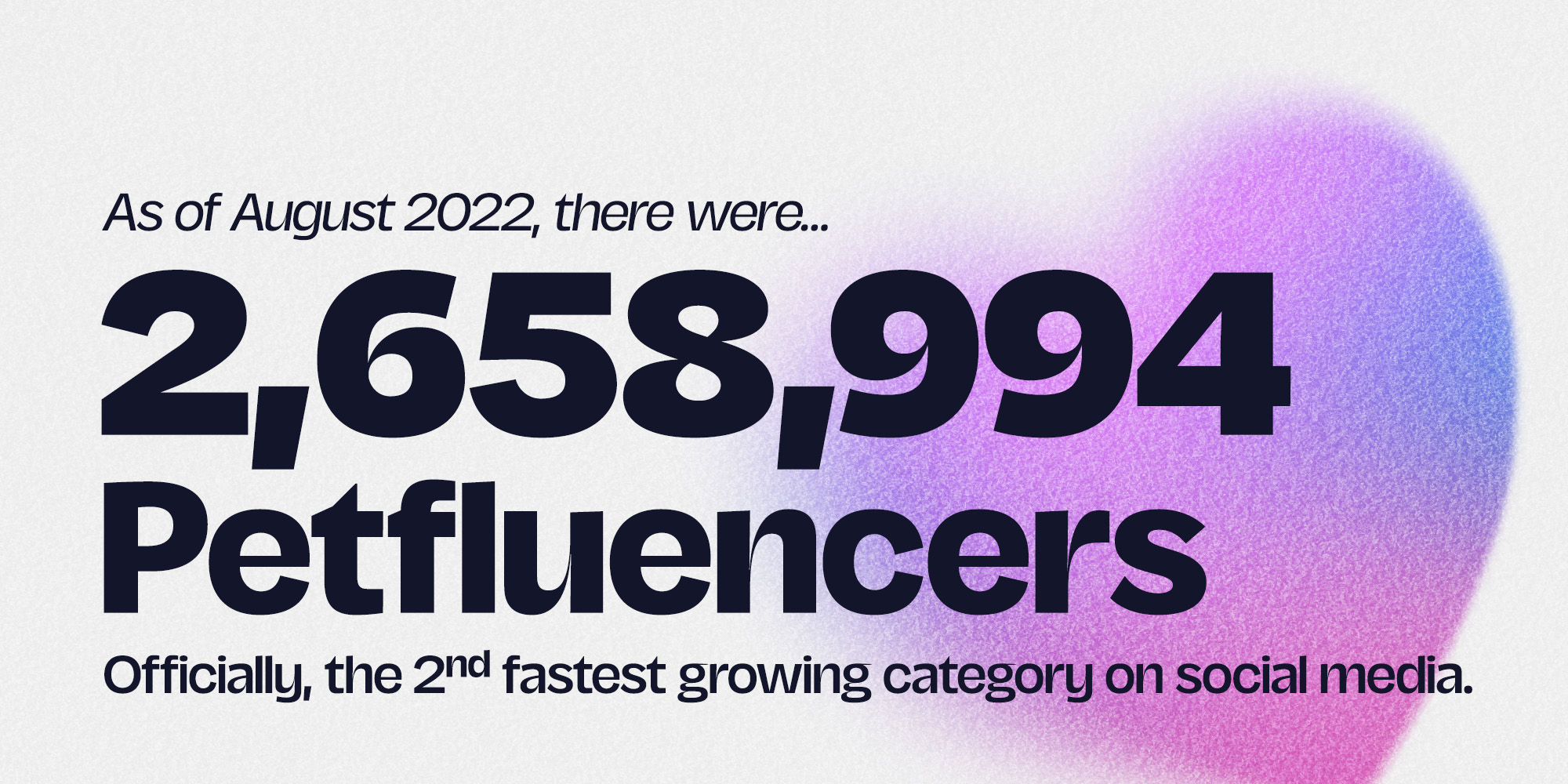
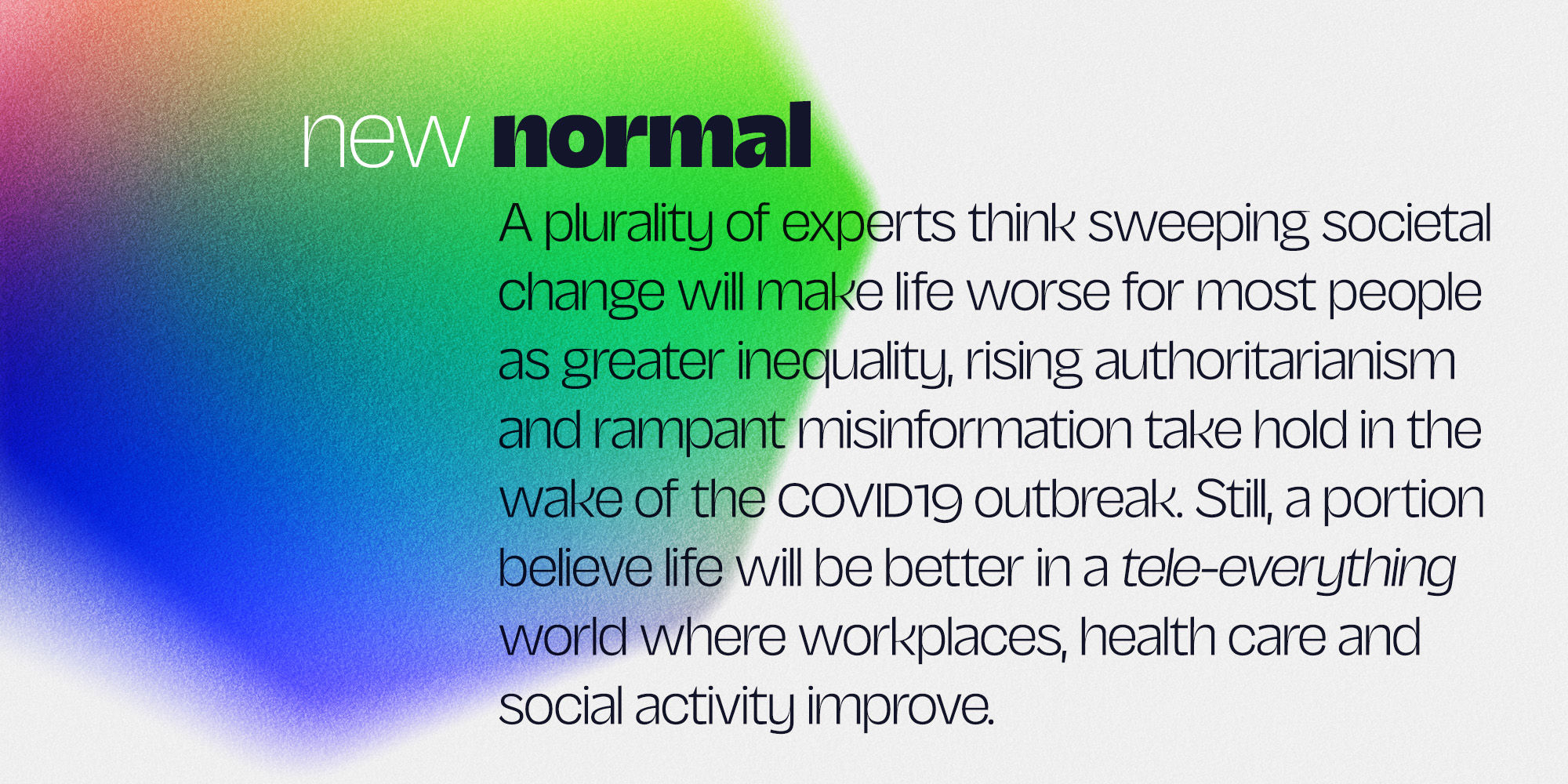
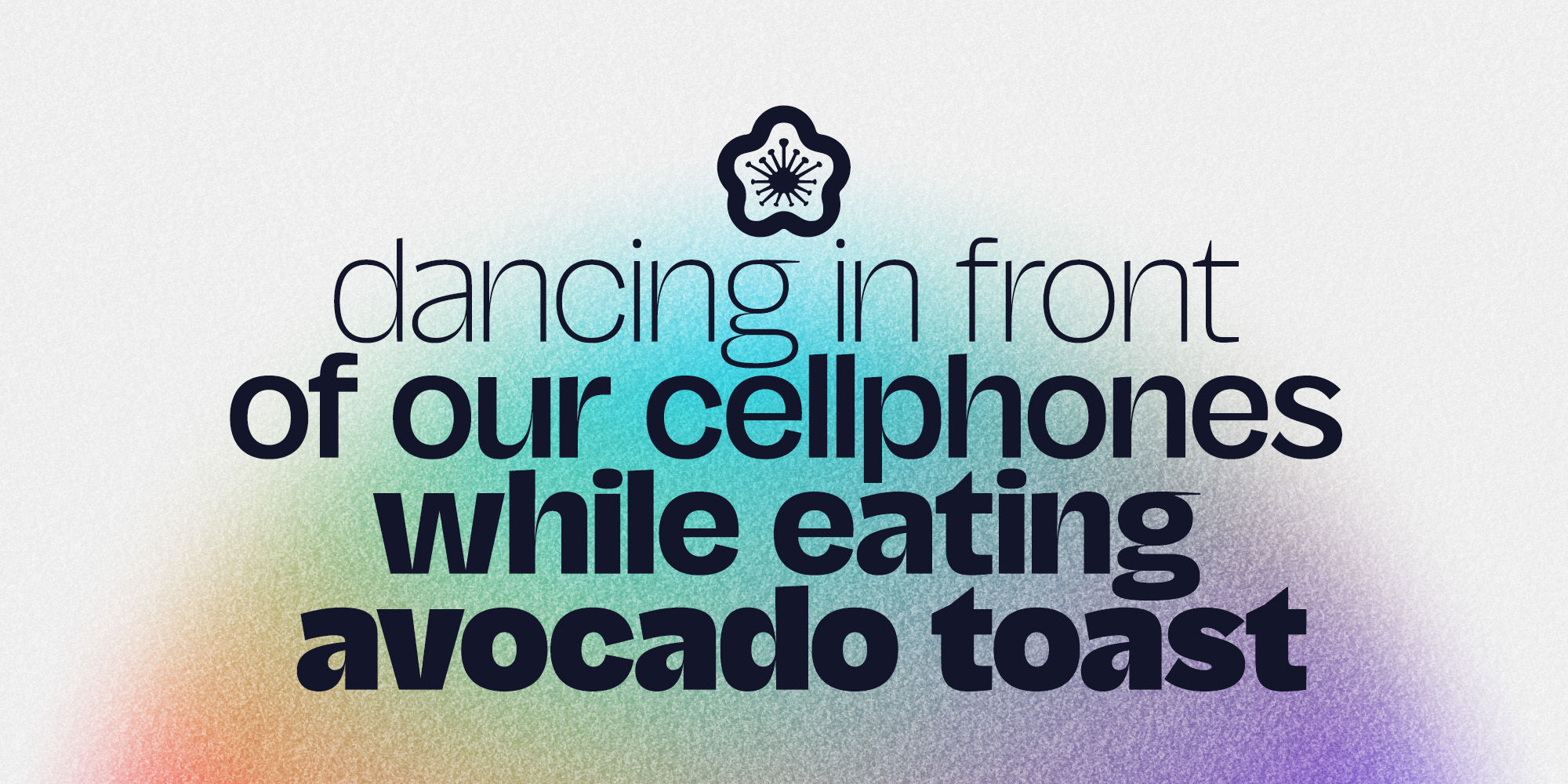
Specimens
Thin72px
Enfranchiser
Light72px
Soughtafter
Regular72px
Comeliness
Medium72px
Materialists
SemiBold72px
Humiliating
Bold72px
Unjammed
Black72px
Numbered
Ultra72px
Financiers
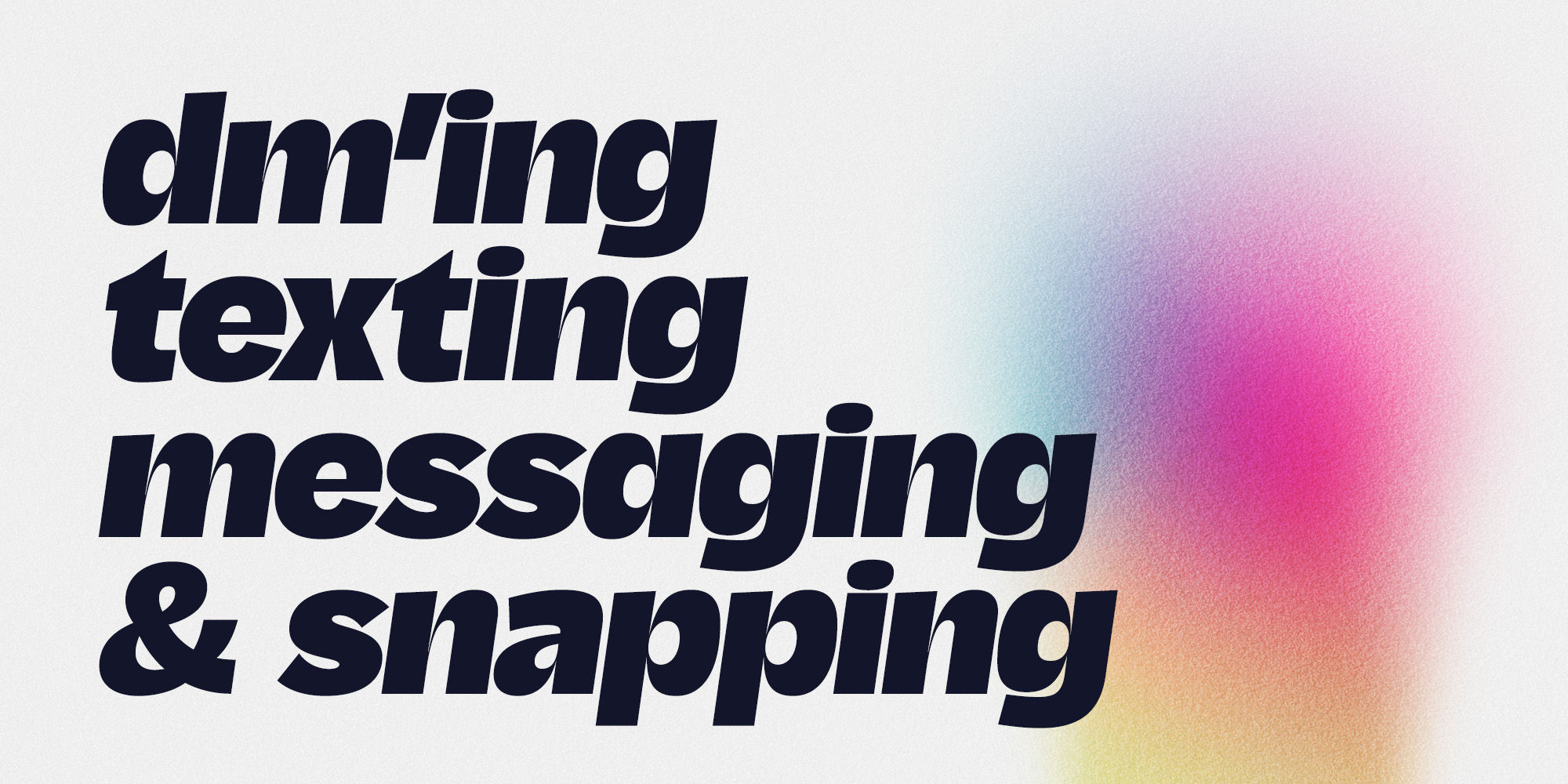
Italic55px
Medium Italic50px
SemiBold Italic45px
Medium22px
Regular16px
Description
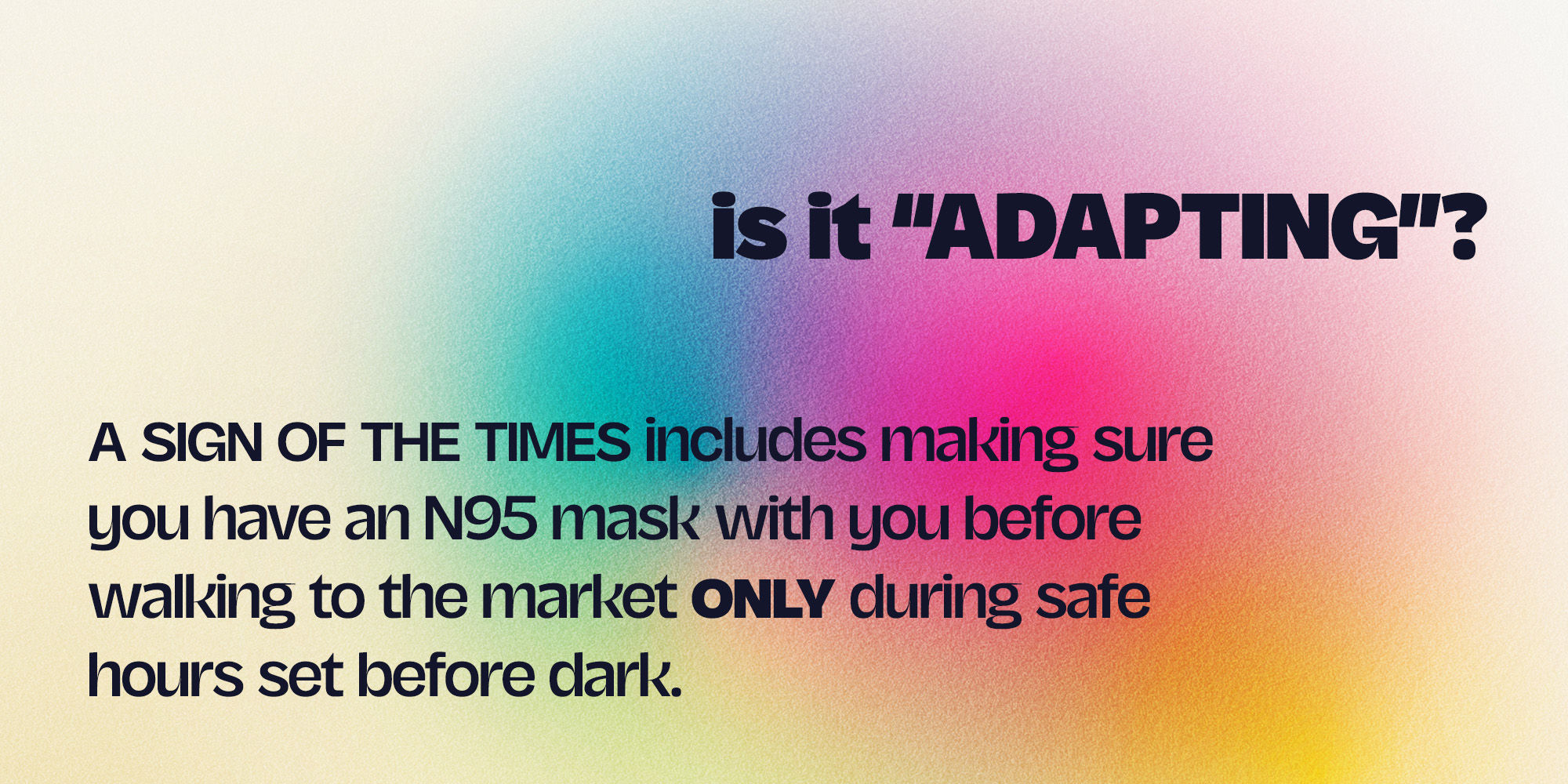
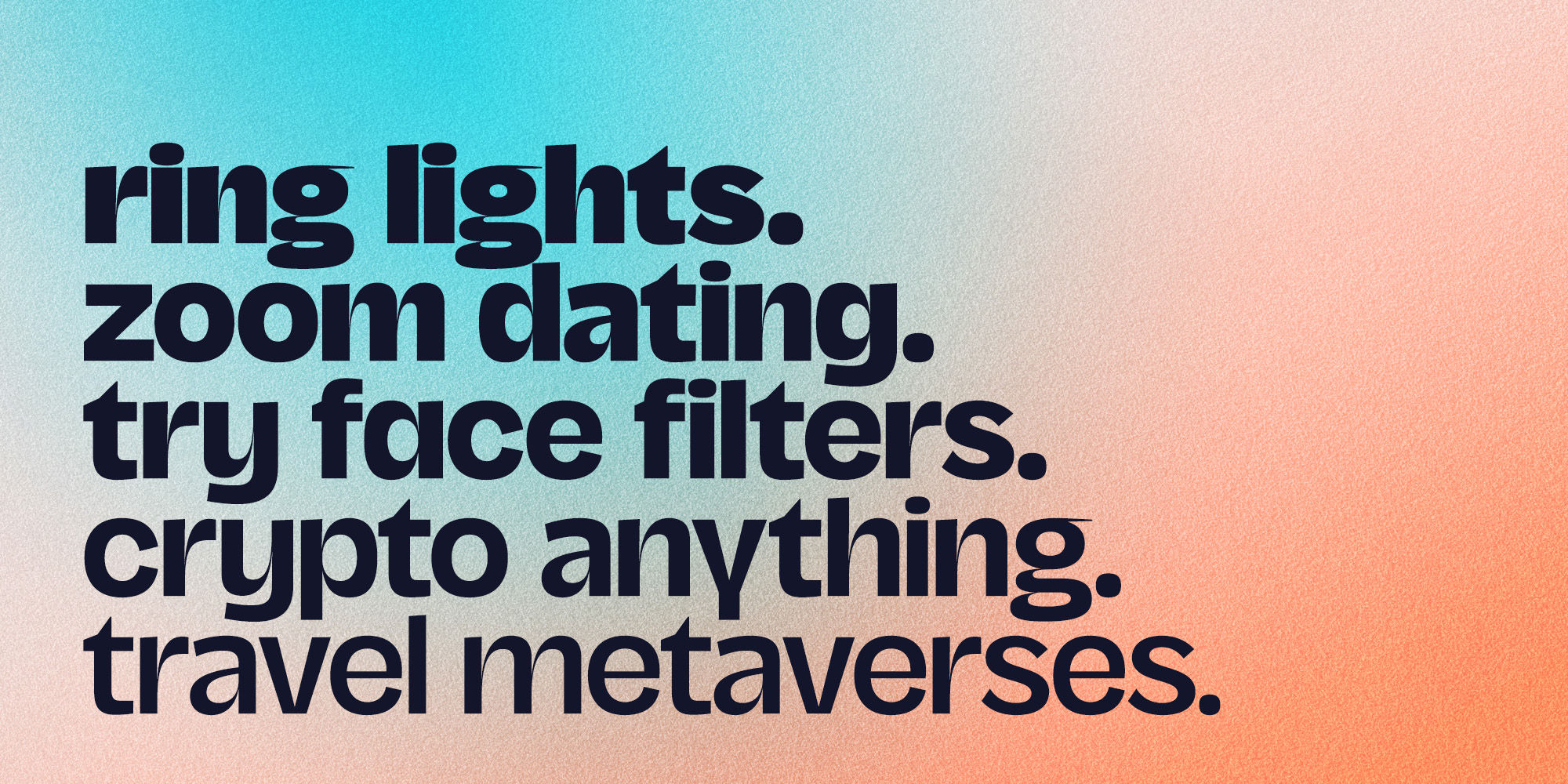
This is Ordinary. With the world slowly dragging itself out of a pandemic-heavy few years, what used to be normal is now obsolete as we all have adapted to a new normal. So should our typeface, so should sans serifs. Ordinary is, well, an extra-ordinary attempt to take a snapshot of what is ‘now’ and what separates this new millennia from designs and ideas that are more than half a century old. So, here’s our new typographic normal, our new Ordinary.
Supported Languages
Glyphs
U+0041 / A
Outlines
▼Latin Uppercase26
▼Latin Lowercase26
▼Latin Uppercase Accented151
▼Latin Lowercase Accented153
▼Numerals10
▼Currency6
▼Fractions9
▼Punctuation & Symbols73
▼Mathematical Symbols22
▼Superscript & Subscript17
▼Geometric Shapes & Misc51
▼Greek Lowercase2
▼Alternates1
▼Denominators10
▼Standard Ligatures2
▼Numerators10
▼Ordinals10
▼Stylistic Set 0140
This typeface contains a total of 621 glyphs
Hi! Positype uses essential cookies to keep checkout and your session working, and, with your permission, Google Analytics to understand how the site is used. Essential cookies are always on; analytics is your choice.